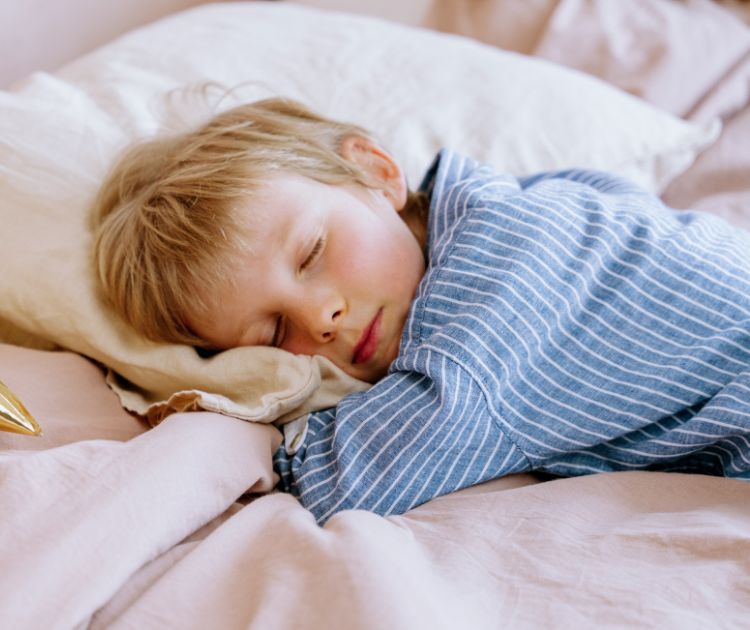
This comprehensive guide provides you with reliable answers to formally identify these parasites and act quickly without endangering your child's health with inappropriate chemical products. We detail here natural methods using cold or heat to save stuffed animals and the essential preventive reflexes to ensure that these unwanted guests never come back to disturb your nights.
Bed bugs: how to be sure it's really them?
Spotting the signs in your child's bedroom
Thoroughly inspect your child's bedding right now. You're looking for small black spots located along the seams of the mattress and box spring. These are their characteristic droppings. Also note the presence of small blood stains on the sheets, which are clear indicators.
The adult insect is exactly the size of an apple seed. It is reddish-brown in color, oval and flat in shape. It flees light, which makes it very difficult to see during the day.
Search actively in the seams of the mattress and box spring. Also check the headboard and nearby furniture.
Identifying bites and understanding the risks for children
The lesions look like mosquito bites, often grouped or aligned on the skin. They cause severe itching in children. This is often the first visible sign that should alert you.
Be reassured from a health perspective, as bed bugs do not transmit diseases. The main danger remains superinfection of the bites if the child scratches too much. The impact is mainly psychological for the family.
Consult a doctor to confirm the diagnosis of the lesions. They can prescribe an appropriate soothing cream.
Making the difference with other bed parasites
Bed bugs are not lice, as they don't live on humans. They're not dust mites either, since they are visible to the naked eye. This is a common confusion among worried parents.
Know that they can neither jump nor fly. They simply move at the speed of an ant. This explains their spread via moved objects.
Confirmed infestation: the first actions that save (and those to avoid)
The diagnosis has been made, panic can quickly set in. Yet, this is the time to keep your cool and act methodically to avoid worsening the situation.
? Isolate to prevent spread: the number one reflex
Your absolute priority is to lock down the infested area. Don't shake the sheets frantically when you wake up. Also avoid moving furniture, as this scatters the pests elsewhere.
Any item leaving the bedroom must be isolated immediately. Place clothes, toys and books in hermetically sealed plastic bags without exception. This step physically blocks the transport of bed bugs to the living room or other bedrooms.
Forget insecticide bombs like "foggers". They only scatter the insects to your neighbors.
? Contact the right people without delay
Speed of execution determines the success of the operation. Immediately contact a certified pest control professional for a reliable diagnosis. Check their Certibiocide certification before any intervention.
Are you a tenant in your home? The law requires you to notify your landlord quickly. The landlord must then organize and finance the intervention of a competent specialist.
Trying to solve the problem alone often leads to failure. You will waste precious time and a lot of money.
? The checklist of immediate actions
Here is a concrete summary so you don't overlook anything in the emergency. Keep this list in mind to act effectively.
Don't move anything from the infested room without wrapping it in an airtight bag.
Immediately call a certified exterminator.
Start sorting laundry for high-temperature washing.
Under no circumstances use commercial insecticide bombs.
Eradicating bed bugs safely for your child
The expert has been contacted, that's a good thing. But your role is crucial to prepare the ground, especially by ensuring your child's safety.
The power of hot and cold: your best non-chemical allies
Bed bugs hate extreme temperatures, it's their Achilles' heel. Your first reflex should be to wash all textiles, from sheets to curtains, in the machine at 140°F minimum. It's a radical method to sanitize the laundry. Nothing survives this heat treatment.
For clean or dry laundry, the dryer proves to be a formidable weapon. A 30-minute cycle at the highest temperature is more than enough to exterminate the insects and their eggs.
Do you have fragile items that can't withstand heat? Use the cold by placing them in the freezer at -4°F for 48 hours.
The special case of the child's bedroom: toys, stuffed animals and furniture
Children's rooms require increased vigilance. Favorite stuffed animals and plush toys are often potential nests for these parasites. They must absolutely be treated via the dryer or freezer to avoid any risk.
Then inspect the furniture with a flashlight to flush out intruders. You need to examine every corner of the crib or bed, wood cracks and joints.
The day of professional treatment: safety instructions to follow
When the professional intervenes, the rule is strict for everyone's health. The entire family, including pets, must leave the home for the duration indicated by the professional.
Upon return, the major safety instruction remains ventilation of rooms. For 48 hours, you must prevent the child from walking barefoot or crawling on treated floors to limit exposure to products.
Finally, remember to thoroughly clean surfaces with which the child has direct contact, such as the changing table or high chair.
Managing daily life during the infestation: school, sleep and anxiety
The war against bed bugs is declared, but family life doesn't stop. Here's how to navigate this complicated period, from the school door to bedtime.
School or daycare: inform to protect the community
Your child can—and must—continue attending school or daycare. This is what health authorities recommend. The only non-negotiable condition is to inform the administration immediately to coordinate monitoring.
Adopt this strict morning ritual: carefully inspect every piece of clothing and the backpack. The stuffed animal or nap blanket must absolutely go through the dryer (hot cycle), then be transported in a sealed plastic bag to the classroom.
If the alert comes from the school, apply exactly this same decontamination procedure as soon as you return home.
Securing the child's bed for more peaceful nights
We recommend without hesitation the installation of a certified anti-bed bug full mattress encasement. It traps parasites already present and prevents any new intrusion into the mattress. It's an essential investment to regain peace of mind.
Then, turn the children's bed into an island. Move it away from the wall and make sure no sheet or blanket is dragging on the floor. You thus cut the "bridges" that insects use to climb.
Finally, slide interceptor dishes under each bed leg. This is the most effective passive trap to monitor nighttime activity.
The anti-spread routine for daily outings
Here is the barrier protocol to avoid contaminating the outside or, worse, bringing back new pests.
Every morning, visually inspect clothing before dressing them.
Put the backpack and stuffed animal in the dryer (hot cycle, 30 min).
Transport these "sensitive" objects in a tightly closed plastic bag.
Upon return, inspect again and isolate items in the treatment area.
After the infestation: how to ensure they never come back?
You've won the battle, the house is healthy. The goal now is to win the war by adopting a few simple reflexes so that this nightmare doesn't repeat itself.
New habits to adopt at home
Vigilance must not waver once treatment is complete. Carefully examine the bedding and baseboards every month. This is the only way to spot an early return.
The vacuum cleaner becomes your best weapon. Run it meticulously over the mattress seams, box spring and bed perimeter. Immediately throw the bag in an outdoor trash can, enclosed in an airtight bag.
Limit clutter around beds. Fewer objects on the floor means fewer potential hiding places.
Second-hand items and travel: the two major points of vigilance
Be wary of second-hand furniture, books or clothes. Before bringing them into your home, inspect them thoroughly outside. If possible, treat them with heat or cold to eliminate any risk.
When traveling, the hotel requires a rigorous inspection of the headboard and mattress. Always place your suitcase on an elevated surface, never on the floor or on the bed.
Upon return, unpack everything in the bathtub or outside. Immediately wash the suitcase contents at 140°F.
The prevention memo for a healthy home
Here is an essential summary of best practices to guarantee your peace of mind and protect your family.
Inspect the bedding of the entire family.
Vacuum mattresses and box springs with every sheet change.
Declutter around beds to eliminate hiding places.
Systematically apply precautions for travel and second-hand items.
To limit clutter,a good storage shelf proves very useful for organizing the bedroom and eliminating dark areas.
Protecting your child's sleep from bed bugs requires vigilance and responsiveness. By applying these methodical tips, you ensure a healthy environment for the whole family.
Don't forget that professional intervention remains essential. With the right actions, you will quickly regain peace of mind in your home.
 En
En
 Français
 Deutsch
 Nederlands
 Italiano
 Español













 What Age for Bunk Bed: Standards and Safety
 When to put baby in their room: age and transition
 Best Choice for Baby: Bed Attached to Parents or Next to Them?
 The convertible bed: furniture that grows with your child
 The bunk bed with storage and desk: discover its advantages!