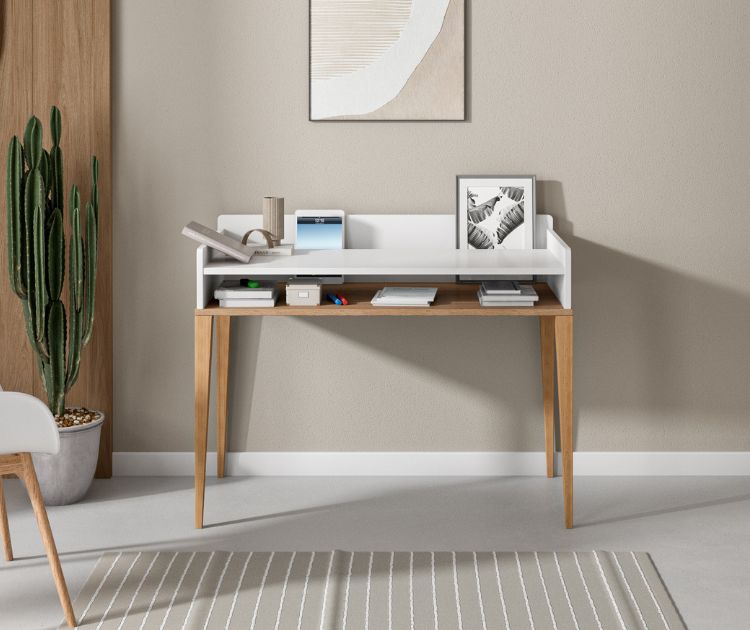
Desk: how to have a well-organized and optimized workspace
A well-organized desk promotes concentration, independence and the pleasure of working. For a child or teenager, it's also a way to learn how to organize themselves. However, keeping this space tidy is not always simple. Between supplies, notebooks, drawings or games that accumulate, clutter often returns within a few days.
In this article, we offer you a simple method adapted to each age to learn how to organize a desk in a sustainable and effective way.
Organize your desk in 5 simple steps
Organizing your desk: the quick and clear answer
Organizing your desk efficiently means following a simple and structured method. Here are the concrete steps to organize a desk, whether for a child, a teenager or an adult:
Sort through items: keep the essentials, store the rest, throw away the unnecessary.
Define zones: work, supplies, creativity.
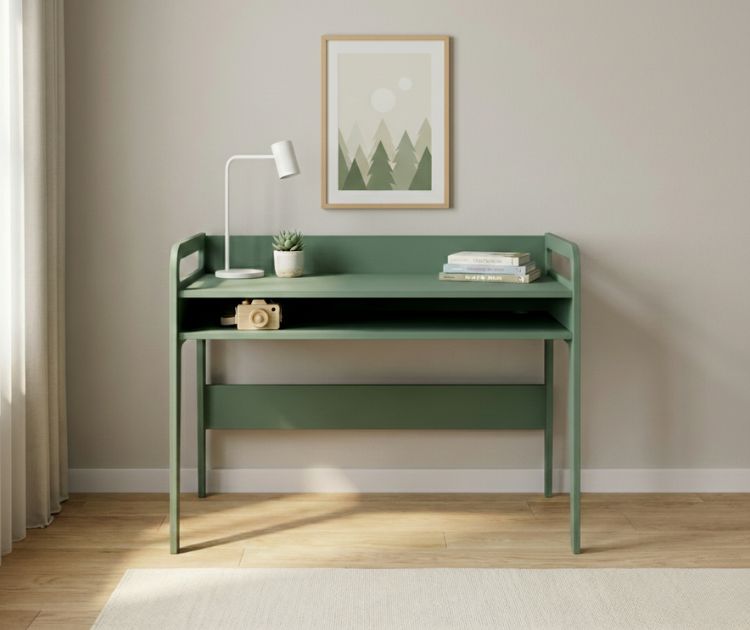
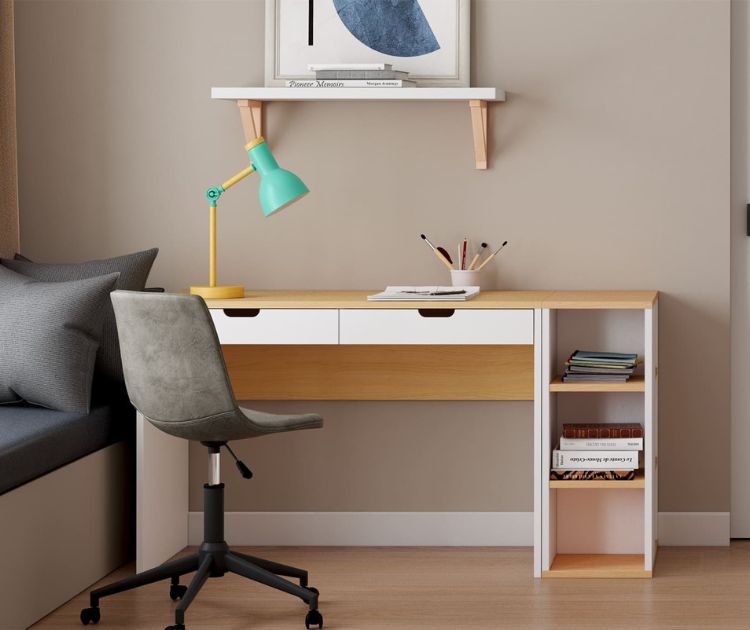
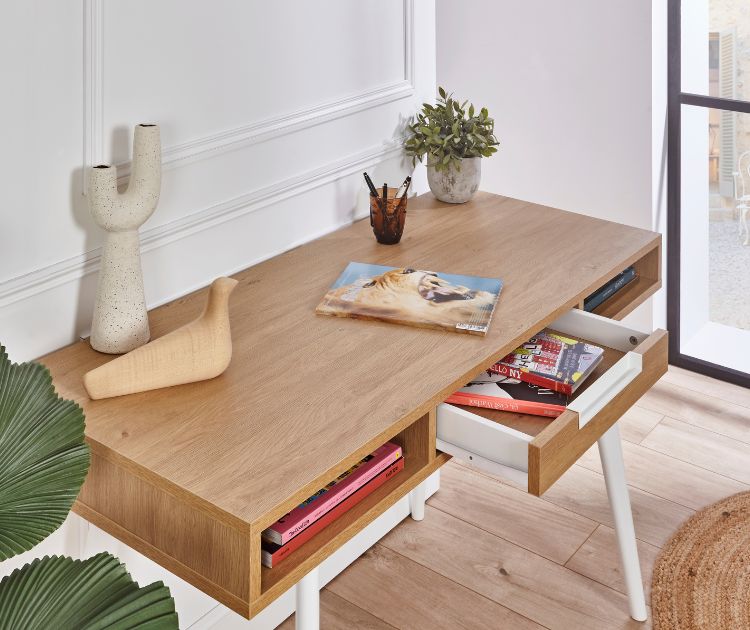
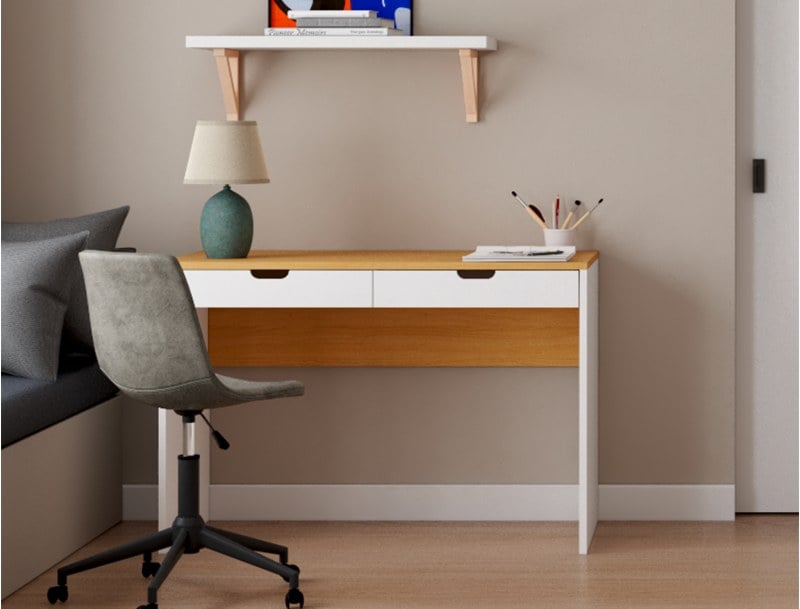
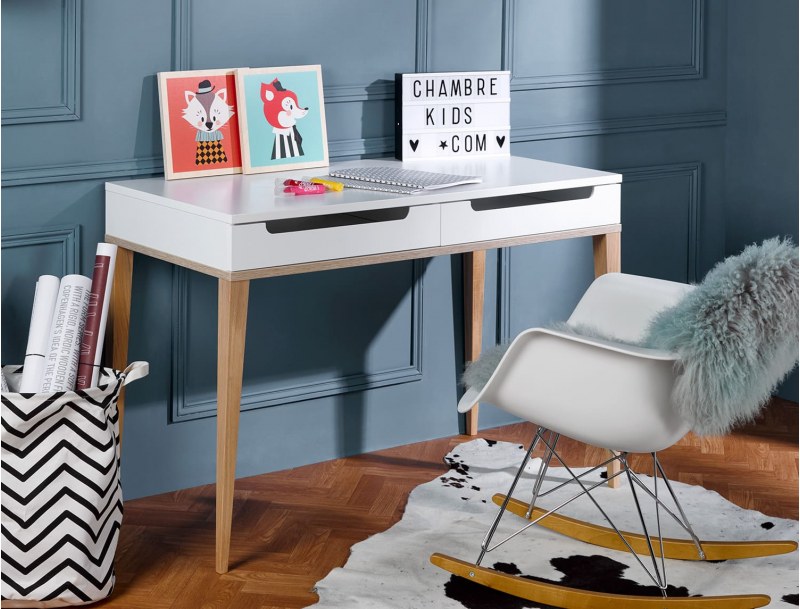
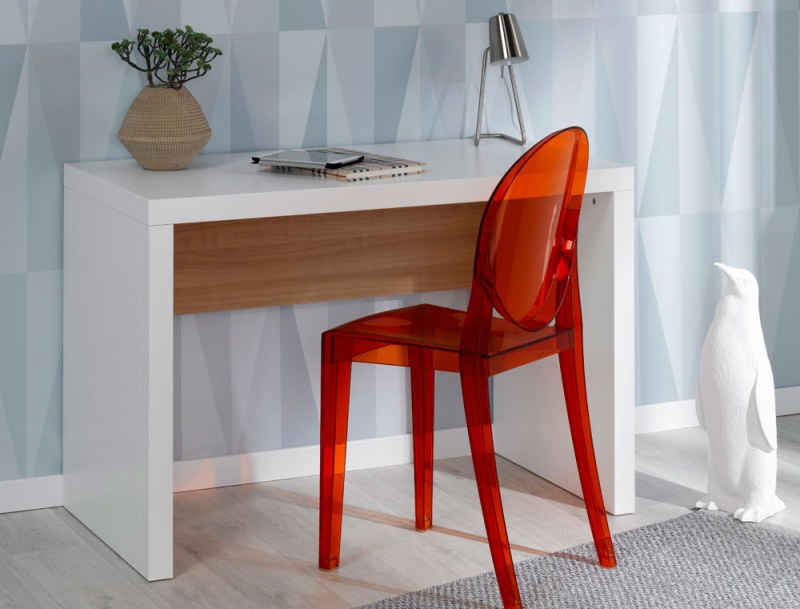
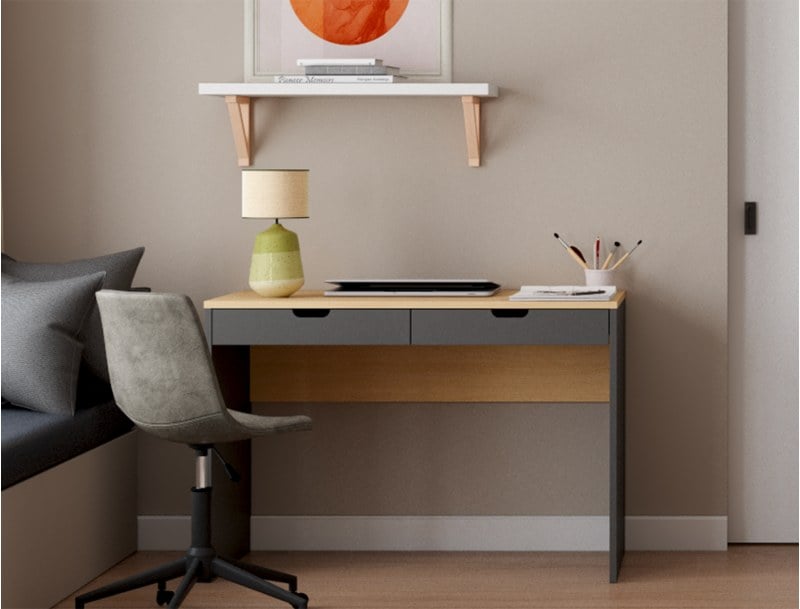
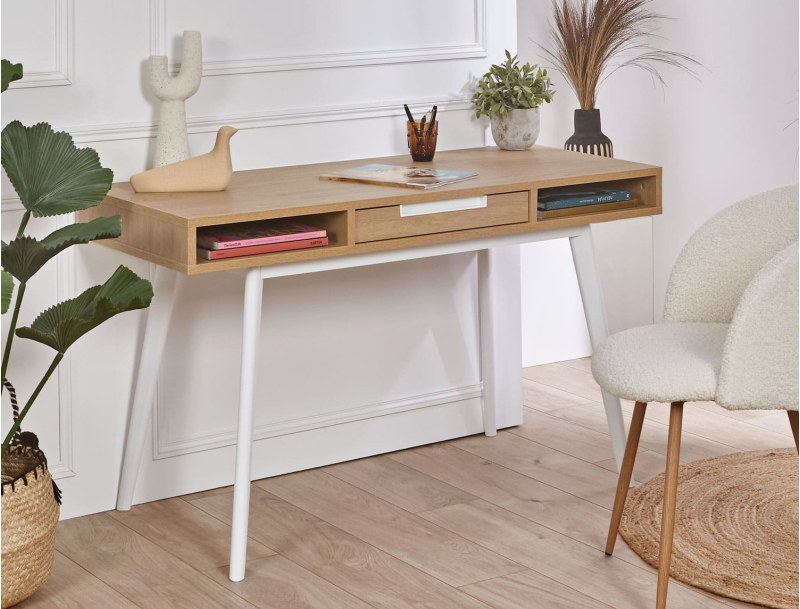
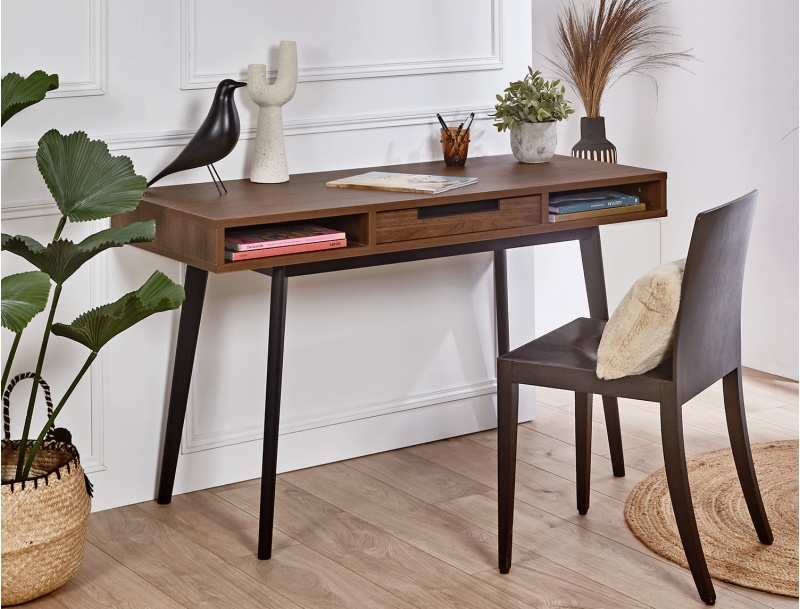
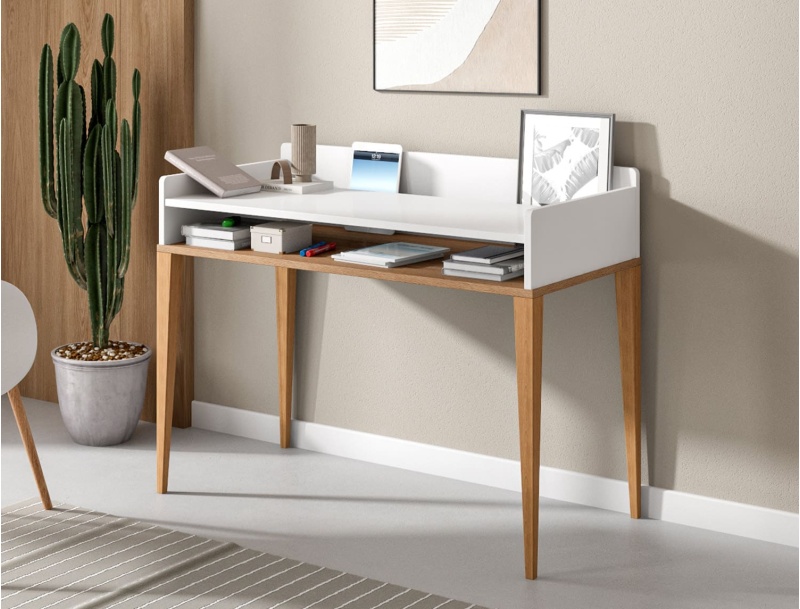
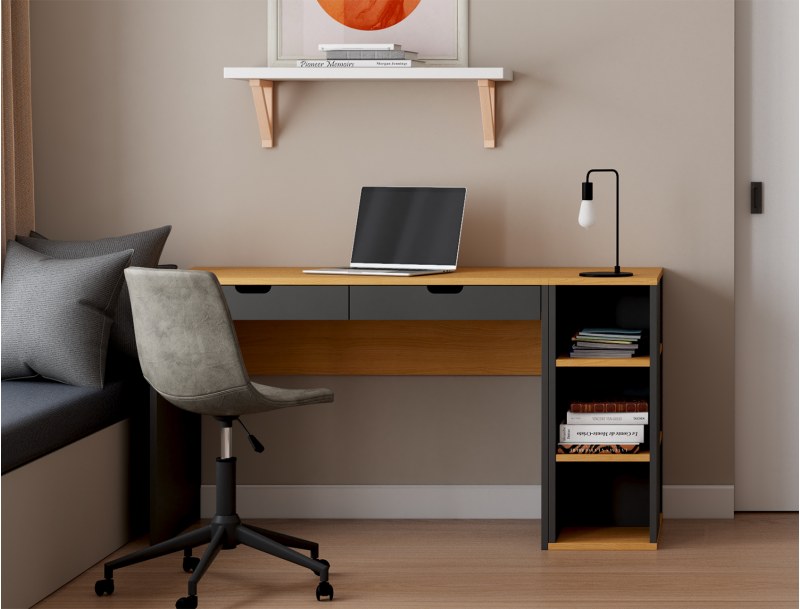
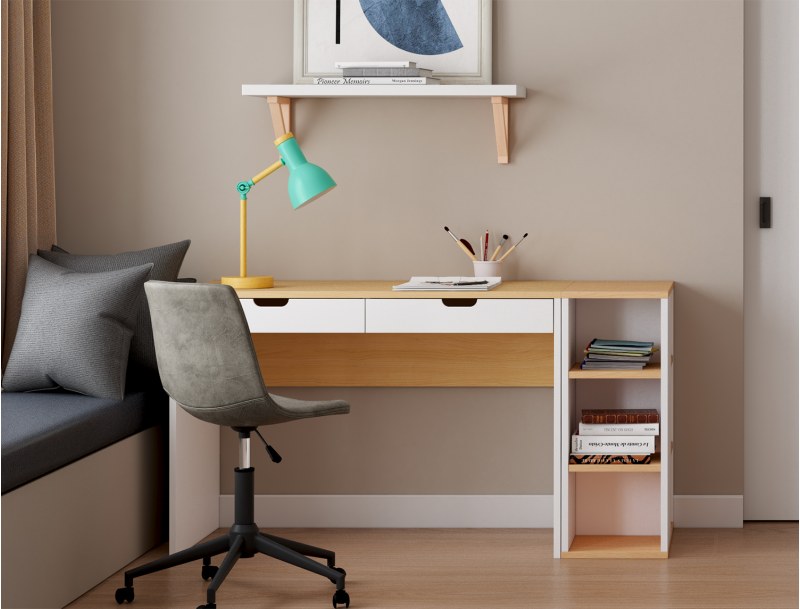
Choose suitable furniture: desk with drawers, shelves, drawer unit.
Use accessories: pencil holders, boxes, magazine holders.
Establish a routine: quick tidying each day, regular sorting
1. Sort through items
Start by completely emptying the desk. Place everything on a table or on the floor, and sort:
What is used daily (pens, current notebooks, computer)
What is rarely used (paper supplies, old drawings)
What is damaged or unnecessary (dry pens, loose papers)
This initial sorting allows you to start with a clear foundation. Ideally, involve the child or teenager in this phase so they take ownership of the organization.
2. Define zones
For effective organization, the desk must be divided into functional zones. Even a small space can accommodate multiple uses if organized well:
A "work" zone for homework, with notebooks and school books
A "supplies" zone for accessories (pens, tape, calculator)
A "creative" zone for artistic or craft activities
By defining these zones, the child will know where to put each item back after use. This also makes concentration easier.
Let's try to understand the causes of clutter. For both children and teenagers, the desk is rarely designed to be functional. Supplies accumulate, games overflow, and the space quickly becomes a catch-all.
Often, the child has not learned to organize their belongings. They lack reference points: where to put their notebooks? What to do with unfinished drawings? Where to store markers? Without a clear system, the desk becomes disorganized after each use.
For teenagers, the problem is different. They have more items to store (books, binders, computer equipment), but few spaces designed for this. The furniture is sometimes no longer adapted to their size or their needs.
What furniture to choose for a well-organized desk?
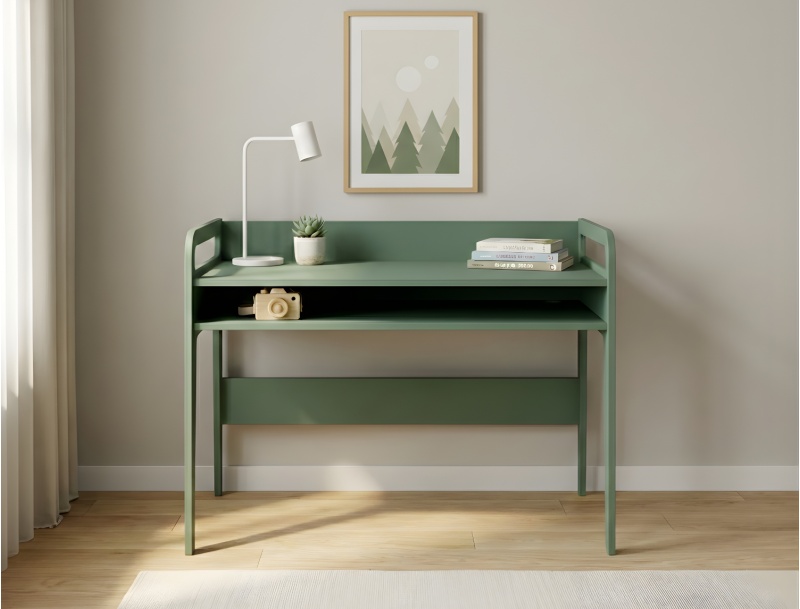
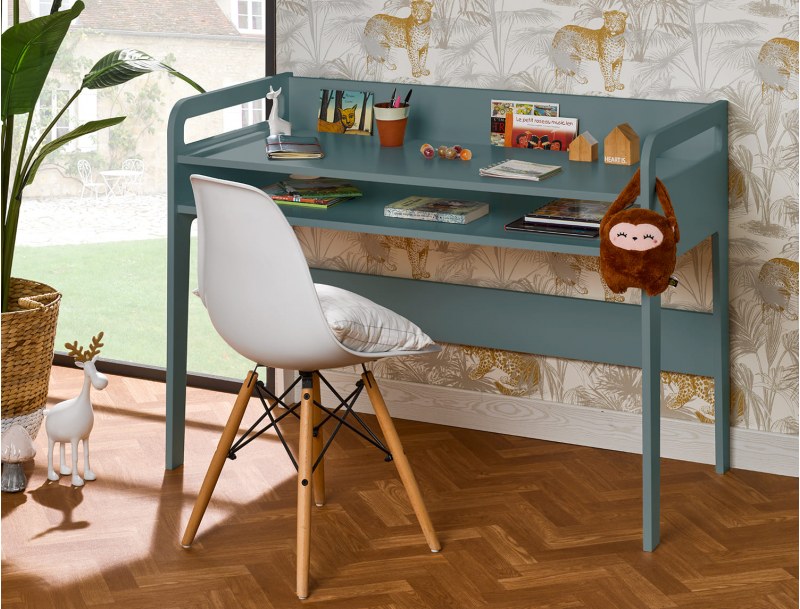
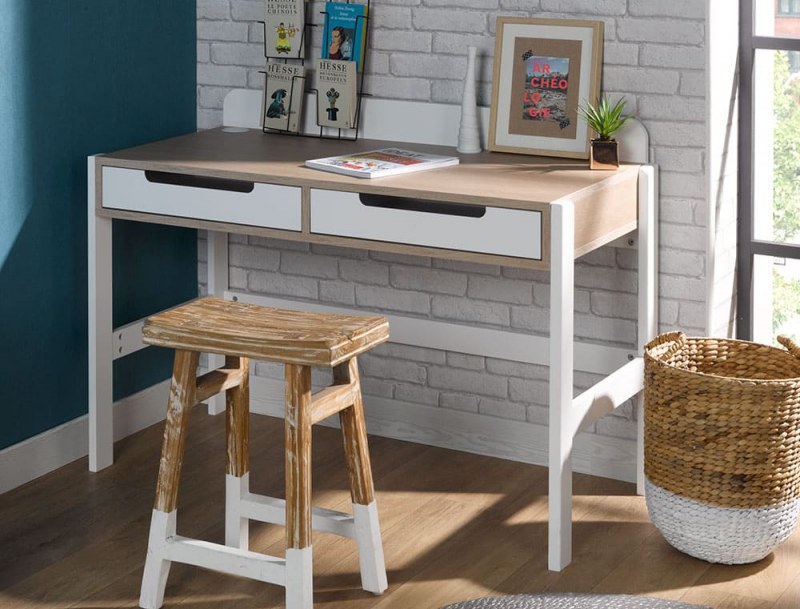
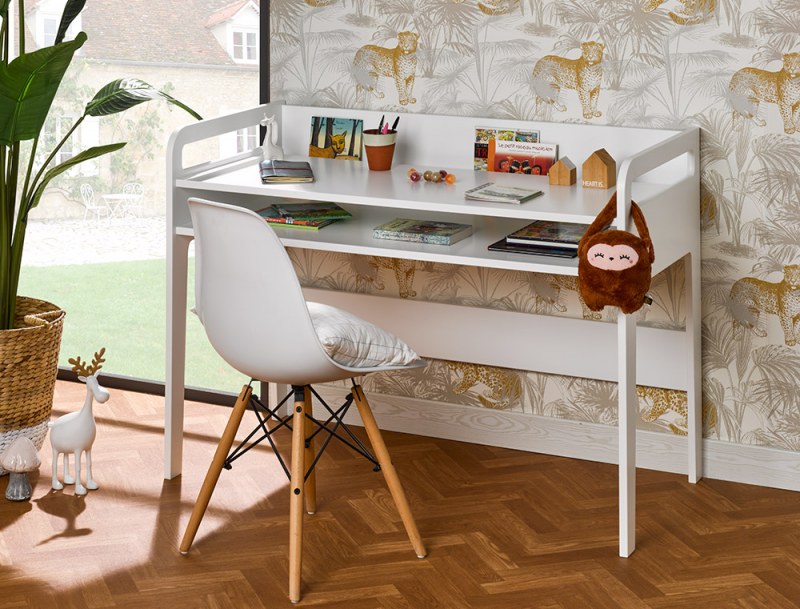
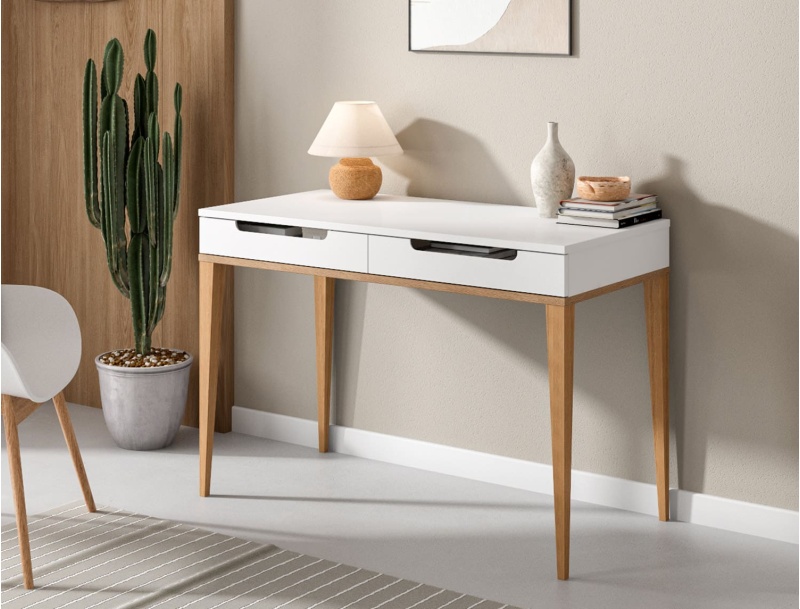
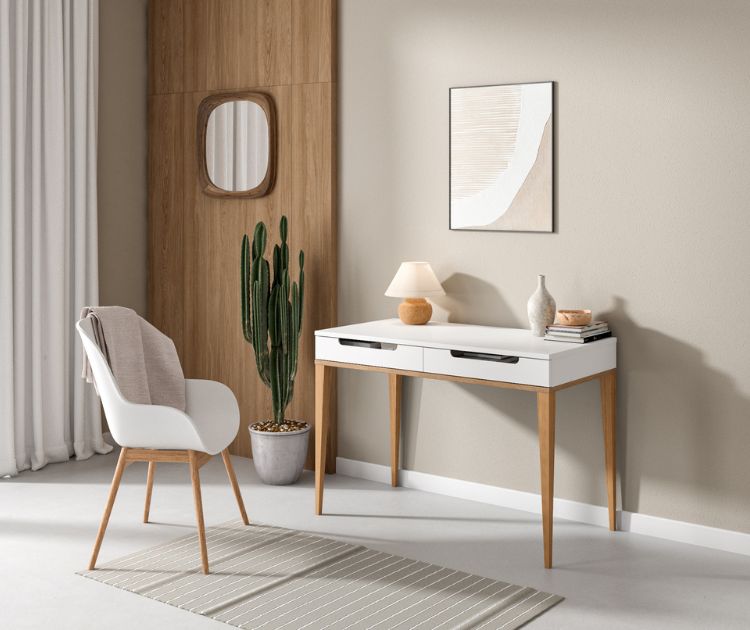
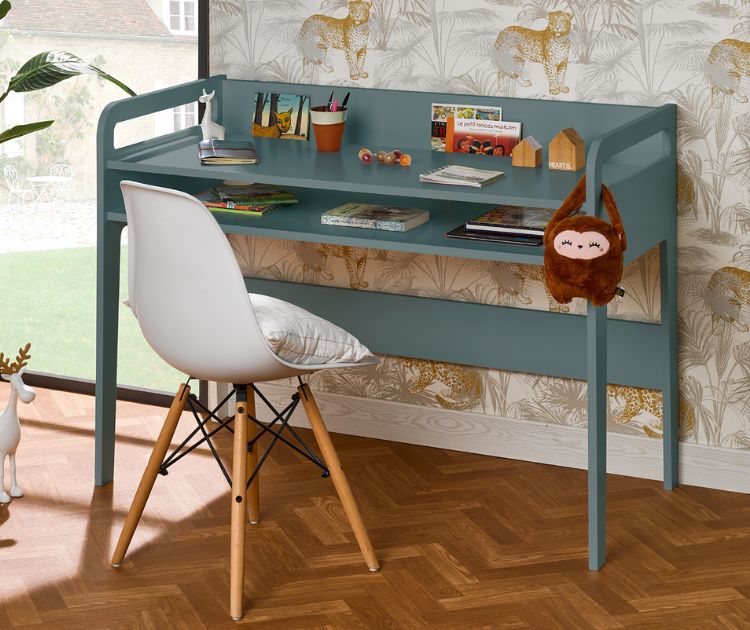
Good organization largely depends on the furniture. We offer desks adapted to each age with integrated storage spaces.
 En
En
 Français
 Deutsch
 Nederlands
 Italiano
 Español












 What Age for Bunk Bed: Standards and Safety
 When to put baby in their room: age and transition
 Best Choice for Baby: Bed Attached to Parents or Next to Them?
 The convertible bed: furniture that grows with your child
 The bunk bed with storage and desk: discover its advantages!