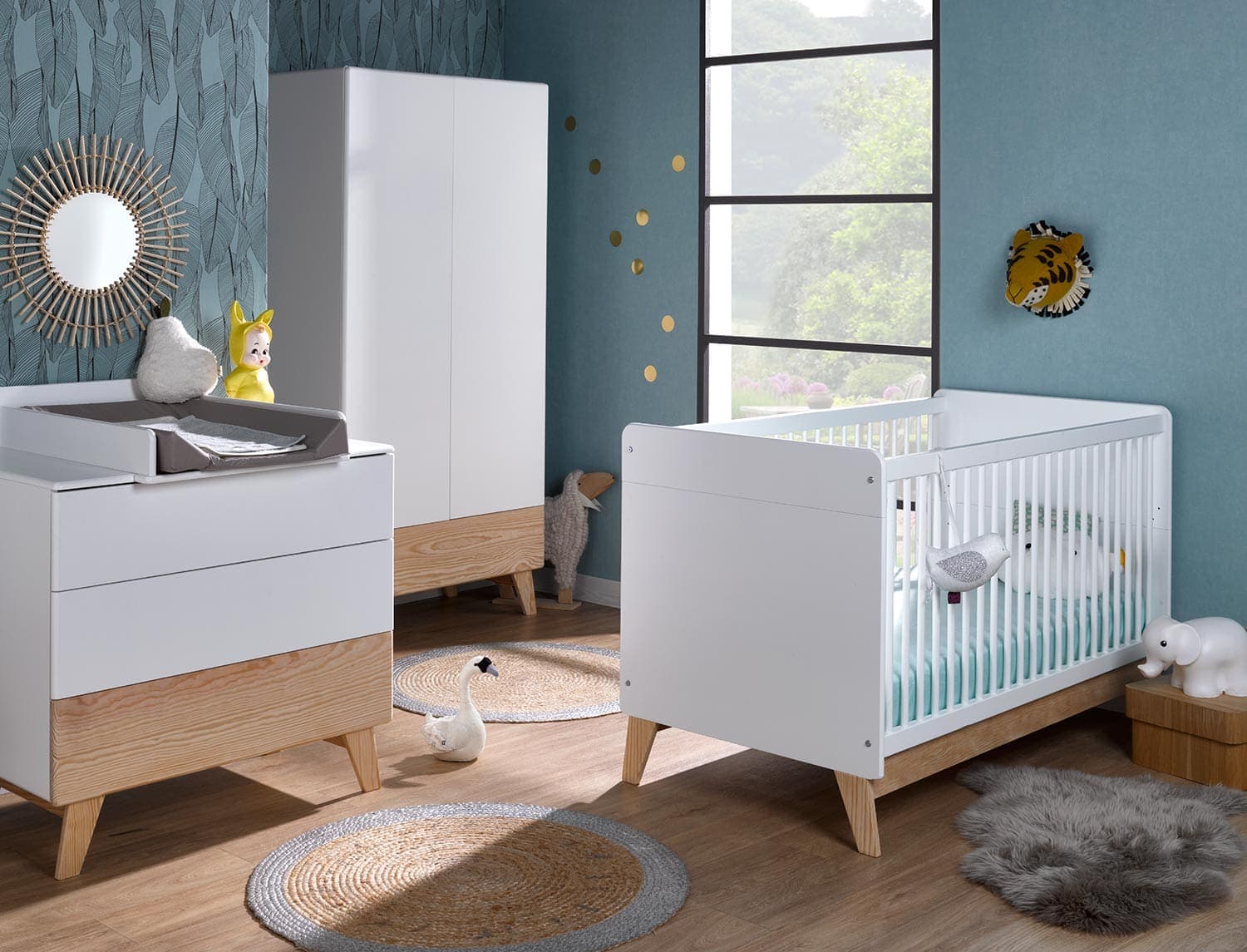
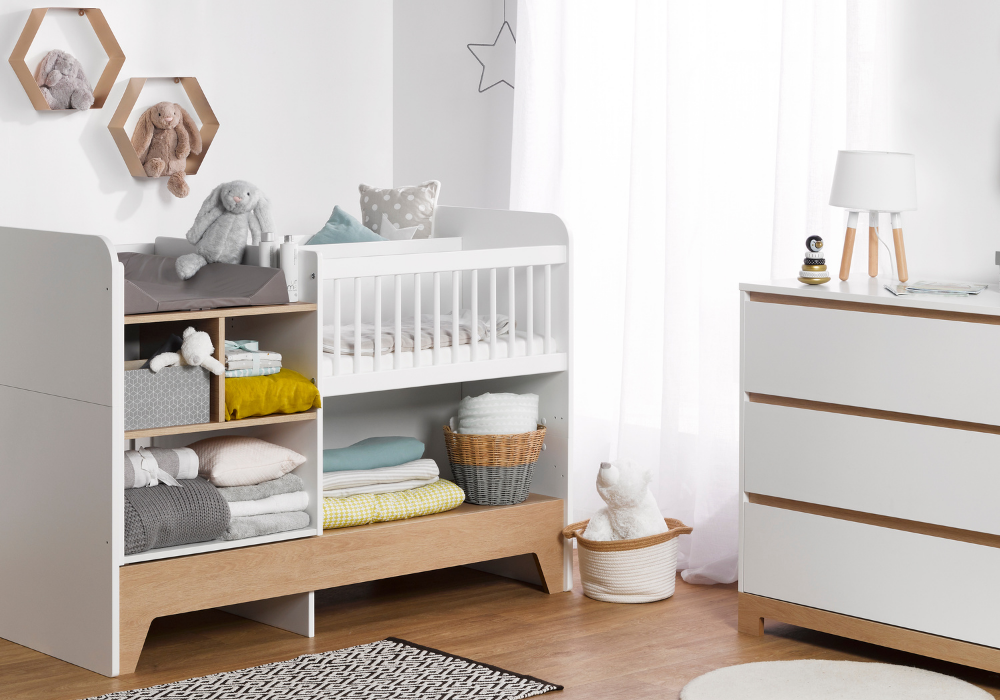
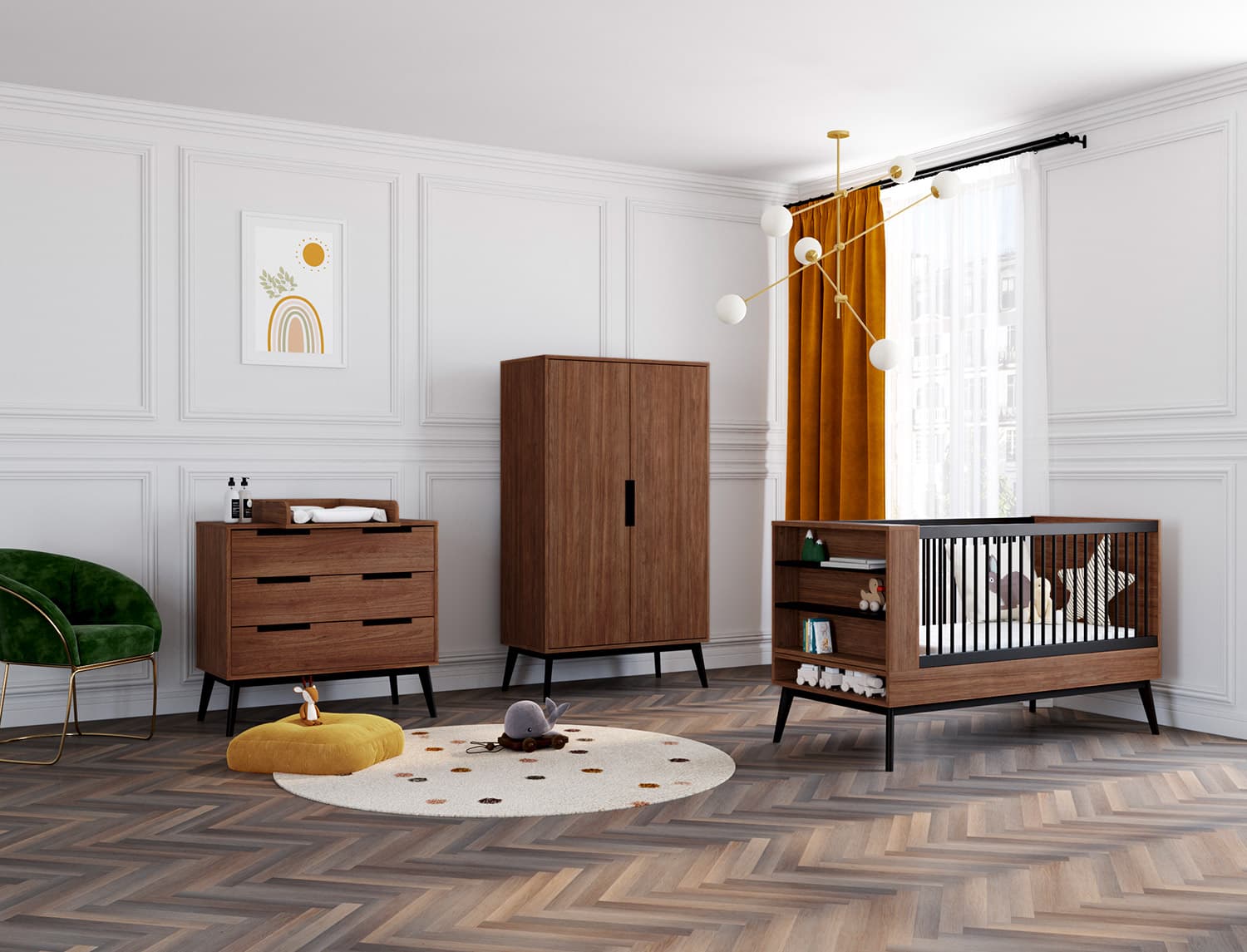
When buying a baby bed or when you want to renovate a bed, you must pay special attention to the materials you choose. The quality of the wood matters, so it doesn't require any particular coating that could be harmful. As for the paint, its components must be carefully examined to ensure your child's safety.
What color for a baby's bed?
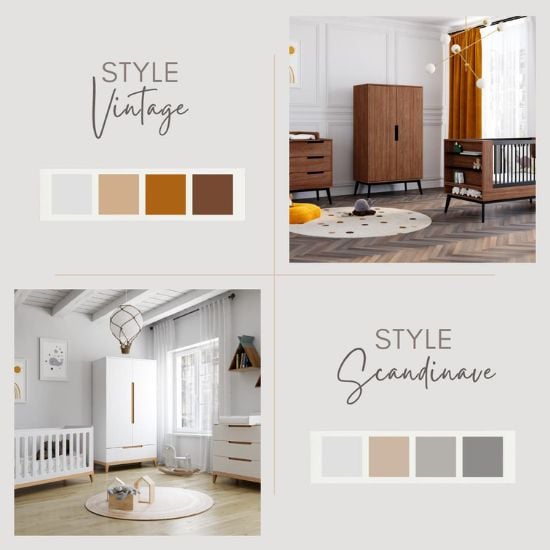
Your first decision concerns the color you choose for the baby's bed, as well as for their room. Pastel shades are all suitable. However, you should avoid overly bright tones.
The baby perceives colors that influence their mood and state of mind. Some studies even claim that they are more sensitive to bright colors than adults. They can therefore suffer more from the consequences of too pronounced colors in their environment. Yet, it's in their room and in their bed that they spend the majority of their time during the first weeks of life.
Cool colors like blue and green provide a soothing effect, while warm colors like red, orange, and yellow tend to excite. While they stimulate the child's creativity, they hinder falling asleep and sleep. That's why they should be reserved for the playroom and not the bedroom.
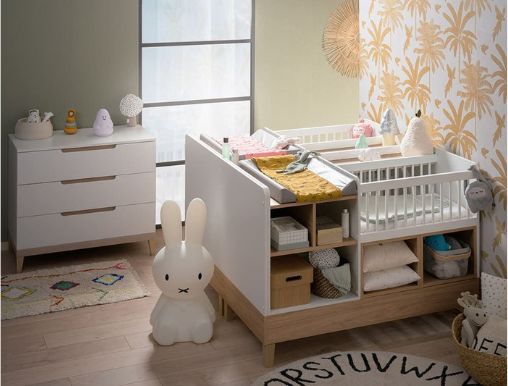
Neutral colors including light gray, off-white, and beige are also suitable for baby bed paint.
The importance of natural wood
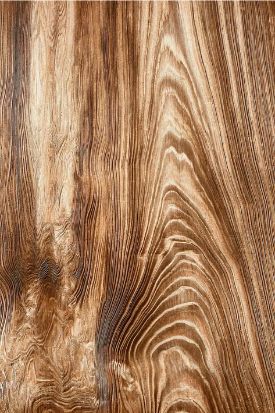
Before choosing the paint for the baby's bed, you must look at the wood that makes up the furniture. Natural wood is most indicated. Raw solid wood allows for making strong and durable furniture. It should ideally come from French, or even European forests, managed with respect for sustainable development.
Wood remains a healthy natural product, as long as it is not transformed or of poor quality. Otherwise, it must be treated with chemical substances that should be avoided for everyone, but even more so for a baby. It can be varnished or lacquered with products whose emissions become dangerous in the long term.
It therefore appears important to focus on quality wood. You will get more guarantees by favoring a French manufacturer working with French or European wood rather than industrialists on the other side of the world who don't submit to the same quality requirements.
What paint for a child's bed?
Paint is composed of resins, solvents, pigments, fillers, and additives. It is essential to favor the most natural paints possible and avoid synthetic products. If you are renovating a bed, refer to the label on the can which bears a set of informative mentions. If you are buying the baby's bed, ask the seller who provides guarantees of the use of ecological paints that preserve your baby's health.
Ban paints containing VOCs — Volatile Organic Compounds
VOCs — Volatile Organic Compounds — should be banned from paints used for a child's bed and even for the whole family. They are found in paints containing resins and solvents. They are harmful to the bronchi and the entire respiratory system. They can even be dangerous for people with asthma.
Solvents also cause central and peripheral neurotoxicity that affects all organs of the body. The most affected parts are the skin, liver, and kidneys. The other side effects of VOCs are numerous: irritation of mucous membranes (nose, eyes, throat), headaches, nausea, etc.
These VOCs are found in lacquers and varnishes, hence the importance of choosing quality wood as we mentioned above. VOC emissions can continue for months, even years after paint application. They pollute the baby's room atmosphere durably, as they seep everywhere: fabrics, curtains, wallpaper, etc.
Biological and ecological paints
There are paints called biological, ecological, or bio-based. Rather than using chemical components, they replace them with healthy natural ingredients.
Containing no solvents, they appear as the best alternative for wood painting. For example, at Chambrekids, we exclusively use water-based paint to avoid any harmful emissions for children's health.
The demand for ecological paints by customers has forced manufacturers to raise their standards.
Indeed, synthetic paints were once preferred because they are simple to use and their finish is remarkable as well as durable.
During this time, ecological paints suffered from a poor reputation, accused of being more complicated to apply and less resistant over time.
This is no longer the case today. In terms of quality, natural paints are just as good as their synthetic counterparts. They are easy to apply if you want to renovate your baby's bed and last very well over time. They don't lose their color, don't yellow, and don't generate bubbles. You can find them in a multitude of colors.
Ecological paints use natural raw materials: clay, lime, linseed oil, casein, algae, plant resin, etc.
A precious investment for your child's future
Ecological paints are generally more expensive than synthetic paints, but it's about your child's health and the whole family's. You shouldn't think short-term, but rather long-term.
A baby who has been exposed to chemical contaminants is more likely to develop allergies and asthma, as well as various pathologies of varying severity in the long term.
Doctors continue to warn about the trivialization of children's allergies and respiratory diseases, particularly due to pollution in their atmosphere. Protecting a baby from chemical emissions is the parents' responsibility and starts with the choice of paint for the baby's bed.
Our eco-friendly baby rooms with water-based paint
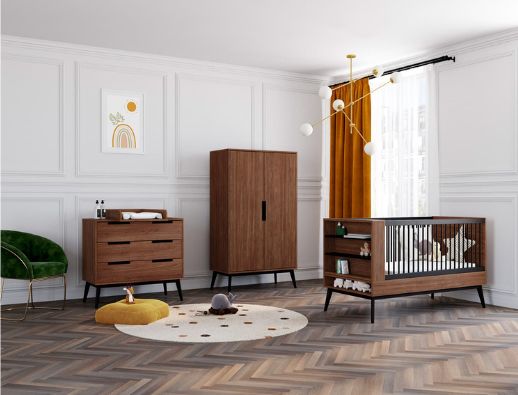
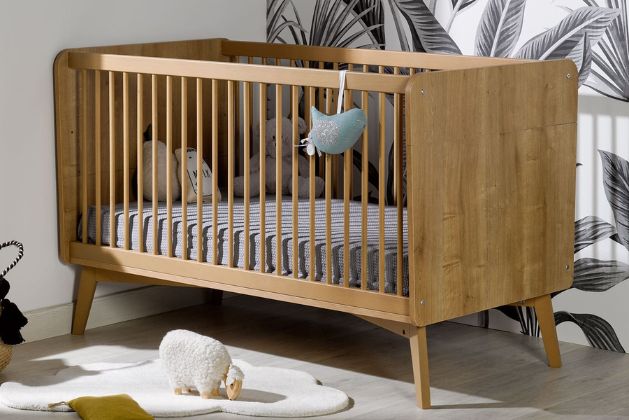
Since day one, Chambrekids has chosen to use only water-based paint for all the reasons mentioned above. An obvious choice when you know the advantages of water-based paint compared to so-called classic paint. By buying furniture from our store, you are ensuring a healthy paint for your baby's room.
 En
En
 Français
 Deutsch
 Nederlands
 Italiano
 Español











 What Age for Bunk Bed: Standards and Safety
 When to put baby in their room: age and transition
 Best Choice for Baby: Bed Attached to Parents or Next to Them?
 The convertible bed: furniture that grows with your child
 The bunk bed with storage and desk: discover its advantages!
.jpg)