At what age should you stop the sleep sack and switch to a baby duvet?
The sleep sack is one of the essentials for baby's first months. Reassuring, safe and comfortable, it accompanies the nights of little ones... but not forever. So, until what age should you really use it? At what point should you switch to a duvet without compromising your child's safety or sleep? Key benchmarks, pediatrician advice and signs to watch for: we help you make the transition with complete peace of mind.
Until what age should you keep the sleep sack?
The 18-month mark: a minimum safety threshold
The question often comes up: sleep sack until what age exactly? According to pediatricians, the answer is clear: at least until 18 months.
Why? Before this age, a child doesn't yet know how to clear their face if they find themselves covered. The sleep bag helps avoid this risk.
Of course, this figure is an indicative benchmark, not a universal rule.
? Useful metaphor: Think of the sleep sack like a seatbelt. You can technically do without it, but you know it saves lives.
It's generally between 2 and 3 years old that children begin to leave the sleep sack. Why?
They want more independence
They move to a big kid bed
They begin to be potty trained at night
They want to imitate older children with their own duvet
This period is therefore ideal for a gradual transition, without stress.
The sleep sack: a must-have for the first months
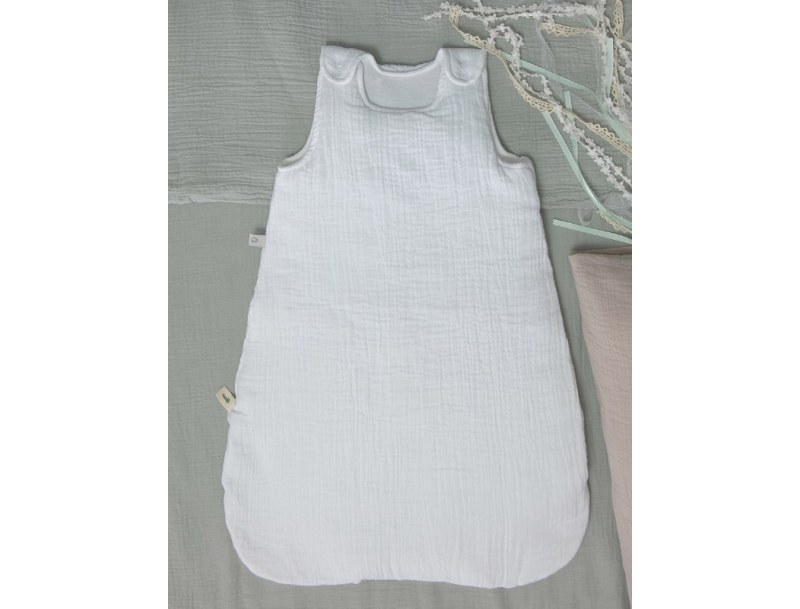
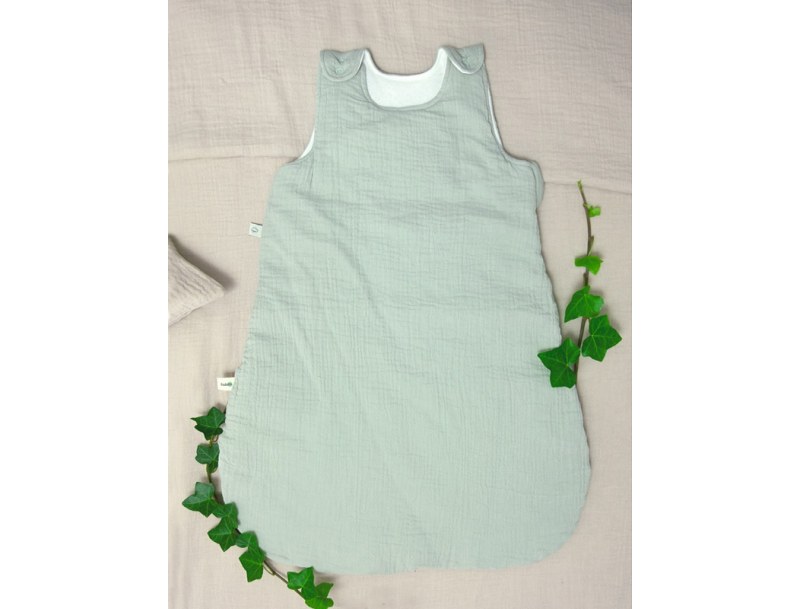
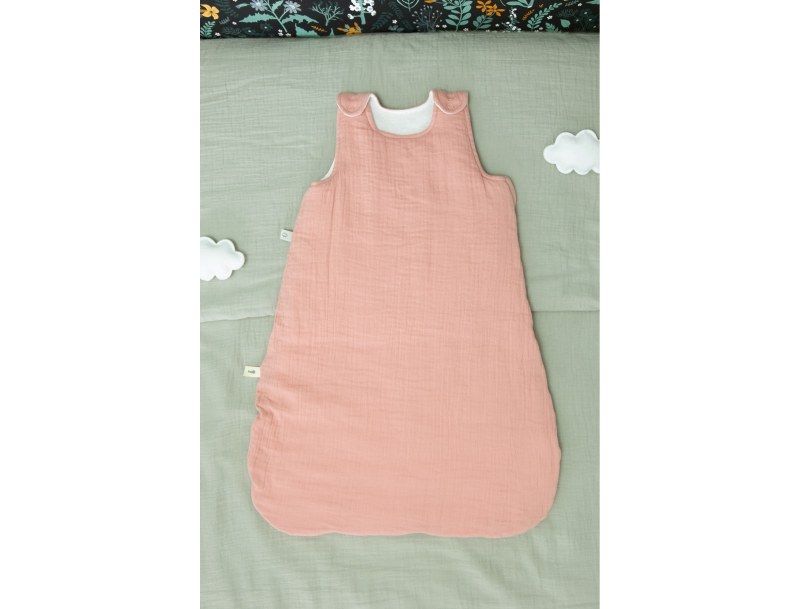
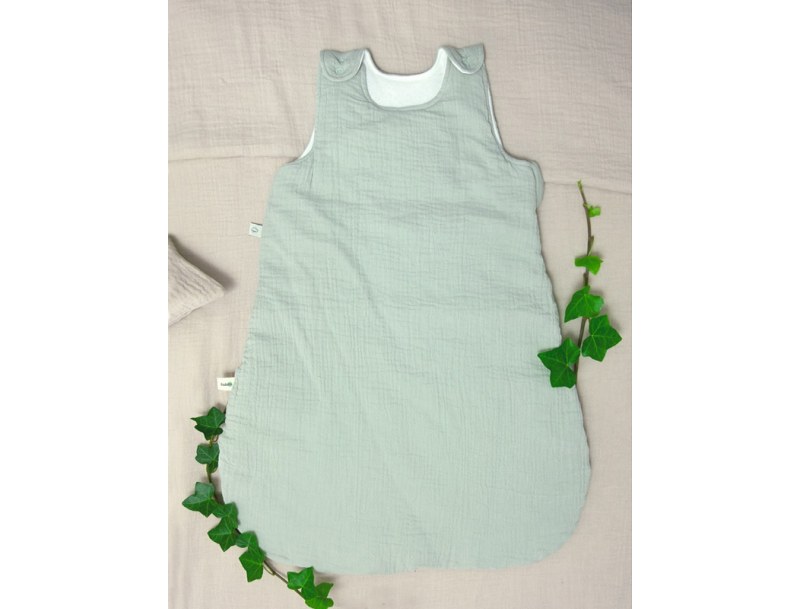
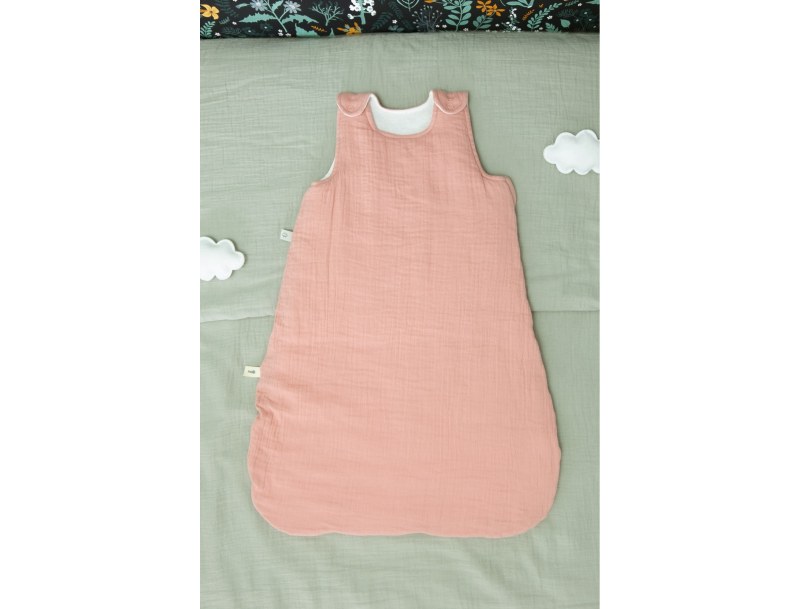
The sleep sack, also called sleep bag or "baby nest," is one of the essential childcare items for newborns. It is a sort of duvet with straps, allowing baby to sleep warmly while ensuring their safety during their first months.
When you're young parents, it's not always easy to know if your little one is too hot or too cold during sleep. This little sleeping bag is perfect for offering them comfort and serenity. But until what age should you keep it? At what point should you switch to a duvet or a big kid bed?
Spoiler: there is no magic age, but precise benchmarks and clear signs can help you.
We often hear about sudden infant death syndrome, which most often occurs during sleep. In many cases, it is linked to suffocation caused by a sheet or blanket that is poorly positioned.
Unlike blankets or pillows, the sleep sack stays in place, with no possibility of covering baby's face. It thus helps to limit movements, while keeping the child at an ideal temperature.
? Did you know? Maternity wards recommend the exclusive use of the sleep sack from birth. Combined with a room at 18–20°C and a firm mattress, it significantly reduces risks during sleep.
Reassuring comfort, summer and winter
The sleep sack is not just a guarantee of safety. It also provides a cocooning environment, similar to that of the mother's womb. Thanks to soft materials like organic cotton or velvet, it ensures peaceful sleep, without cold drafts or excessive sweating.
It's a soothing cocoon, a visual and sensory reference point for the child.
How do you know your child is ready to move to a duvet?
The telltale signs
Certain behaviors show that the sleep sack is becoming more of an obstacle than a comfort:
They try to take it off by themselves
They seem irritated once inside it
They stand up with it in their bed and risk falling
They start talking about a "big kid bed"
They want to go to the potty alone at night
? Case study: If your child wakes up sweating and tries to remove their sleep sack in the middle of the night, it may be time to try something else.
How to successfully make the sleep sack > duvet transition?
Gentleness and gradualness: the keys to success
Don't change everything at once. If another major change is taking place (starting daycare, arrival of a baby, ending the pacifier...), postpone the transition to the duvet. Each transition is an emotional upheaval for the child.
Here is a gradual approach:
Start by offering the duvet for naps only
Leave the sleep sack open at night to get them used to the feeling of freedom
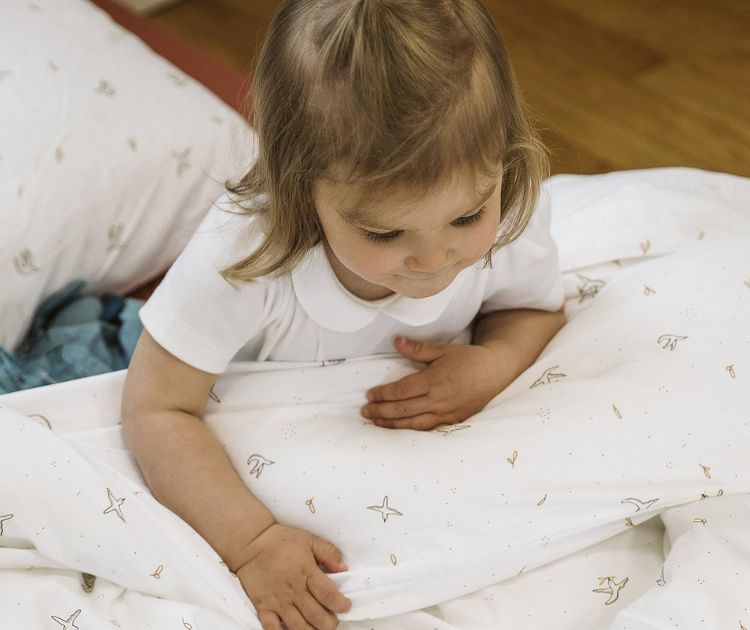
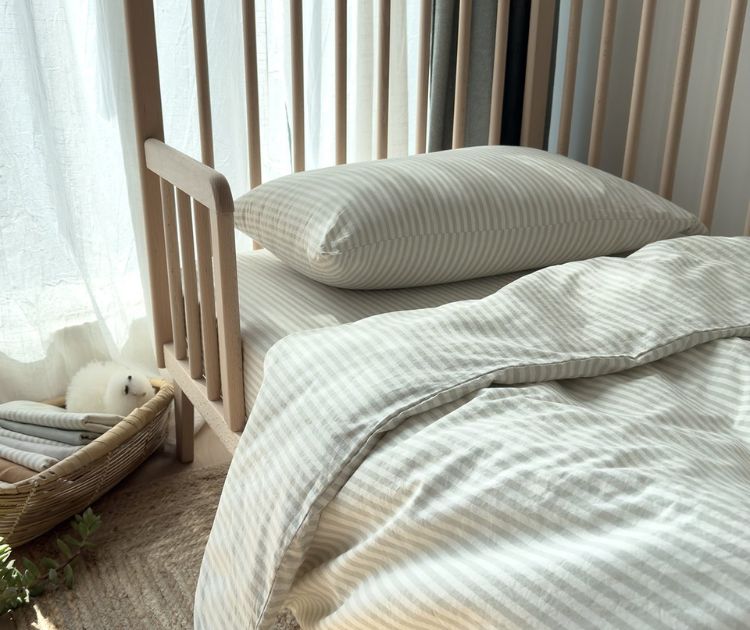
Involve them in choosing their duvet cover to create a sense of ownership
Choosing the first duvet well
Appropriate size: no need to go too big
Natural materials: cotton or Tencel to prevent sweating
Lightweight: so they can push it away or adjust it themselves
Also consider the pillow: not before 2 years old, and flat-shaped to preserve the head/spine axis.
What to use instead of a sleep sack at night?
Are you worried that your child will be cold without their sleep sack? Rest assured, there are effective and reassuring alternatives.
The sleep suit: warmth and independence
A true ally for restless children, the sleep suit allows free movement while staying well covered. It effectively replaces the sleep sack while providing freedom of movement.
Ideal in winter, it can be worn over pajamas and allows the child to get up alone safely.
The sleep sack with legs: between two worlds
Still hesitant to completely remove the sleep sack? Opt for the sleep sack with legs. It maintains the principle of the sleep bag, but with separate legs, for maximum mobility without sacrificing thermal comfort.
To avoid: forcing a transition too early
If your child likes their sleep sack and sleeps well, there's no need to rush things. It can become an emotional reference point, especially during periods of change (teething, sleep regression...).
Models exist up to 36 months and beyond, with adjustable sizes and adapted shapes.
In summary: when to stop the sleep sack?
Age
Recommendation
0–18 months
Sleep sack strongly recommended
18–24 months
Possible start of transition depending on the child
 En
En
 Français
 Deutsch
 Nederlands
 Italiano
 Español













 What Age for Bunk Bed: Standards and Safety
 When to put baby in their room: age and transition
 Best Choice for Baby: Bed Attached to Parents or Next to Them?
 The convertible bed: furniture that grows with your child
 The bunk bed with storage and desk: discover its advantages!
.jpg "Gigoteuse bébé, jusqu'à quel âge ? | Chambrekdis")