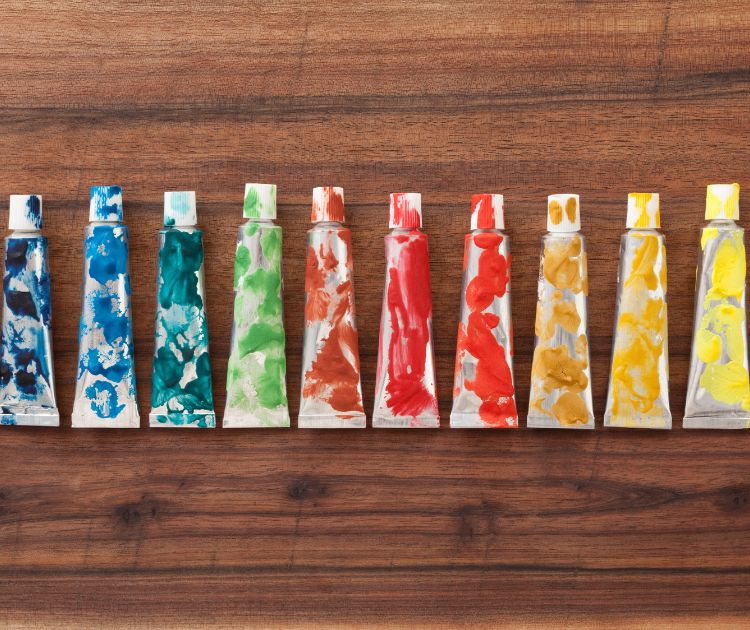
Looking for a creative activity to share with family but lack child-friendly ideas? Pebble painting proves to be an ideal solution combining creative leisure and bonding moments. This article guides you step by step in choosing materials, techniques, and patterns to transform simple stones into lasting works.
Discover how to introduce your children to this accessible art while developing their imagination through our practical advice and colorful inspirations.
Required materials to start
Basic supplies
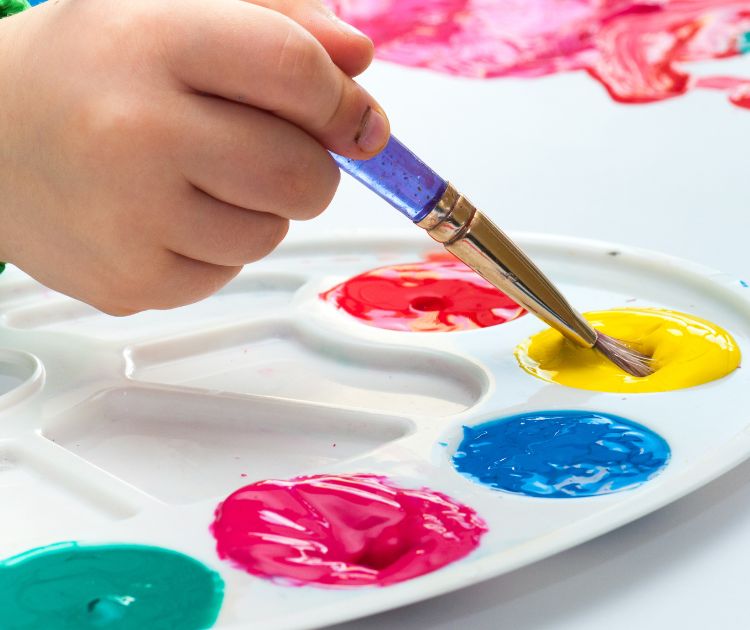
Starting pebble painting requires few tools: smooth stones, washable acrylic paint, and brushes suitable for small hands. Favor river pebbles with flat surfaces.
A soap and water cleaning is sufficient before painting for better color adhesion.
Choosing your paints
Solvent-free paints offer optimal safety for children while allowing intense color mixing.
Optional but useful accessories
Improve comfort with reusable stencils and rotating supports. Old rags advantageously replace paper towels for cleaning tools.
Preparing your workspace
Protect tables and floors with a plastic sheet. Choose a well-ventilated space and store wet works away from handling.
Start by drawing basic shapes in pencil before filling areas with paint. Show children how to hold the brush near the tip for better gesture control.
Adapt session duration: 15 minutes for ages 3-5, 30 minutes up to age 8. Alternate creative phases and breaks to maintain attention without overload.
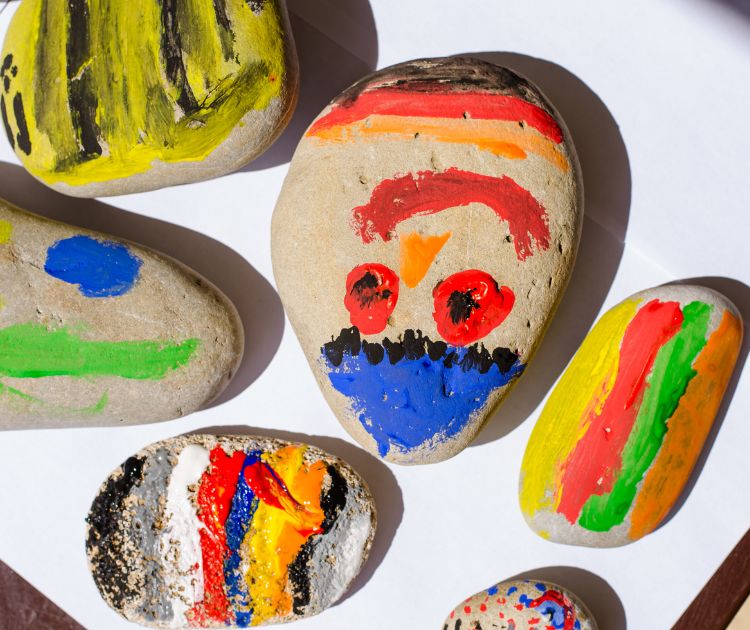
Choose universal themes like animals or seasons. These subjects stimulate imagination while allowing varied interpretations according to age.
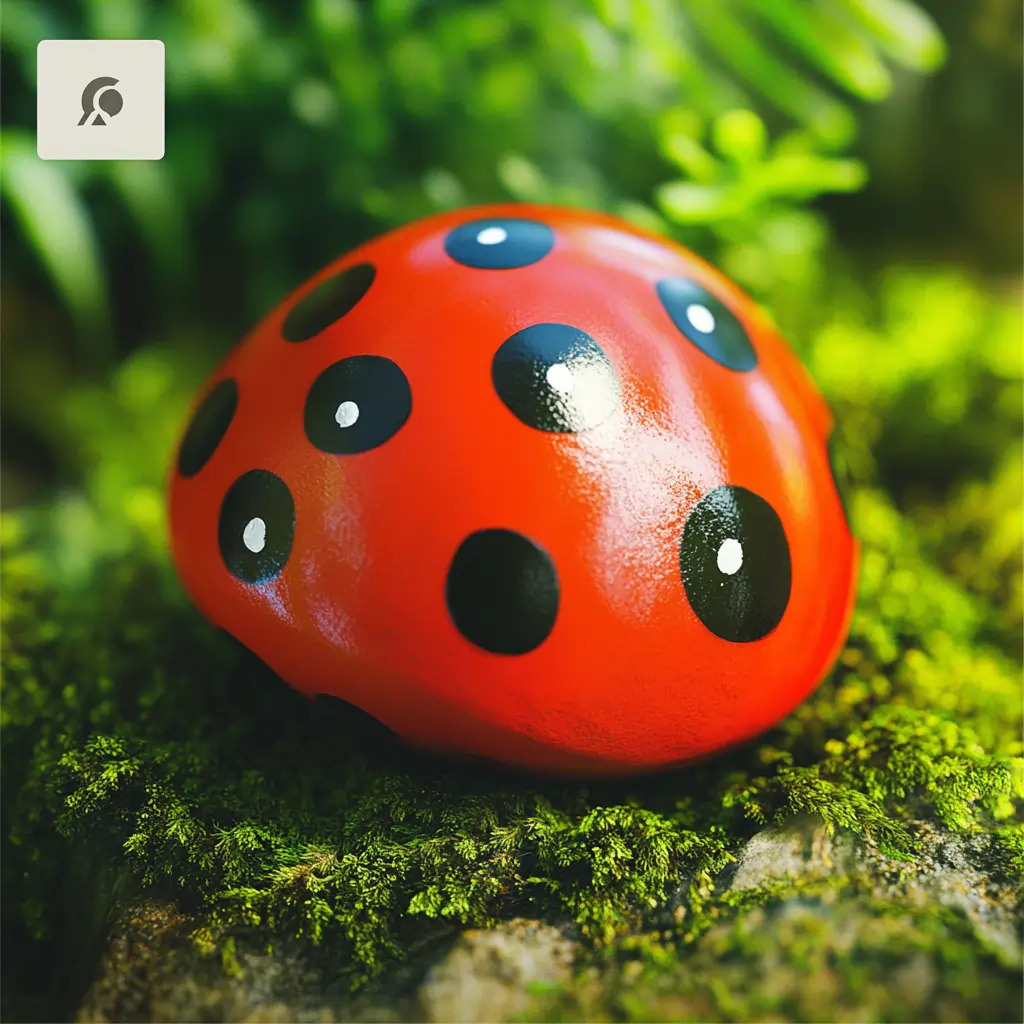
Ladybugs - black dots on red background
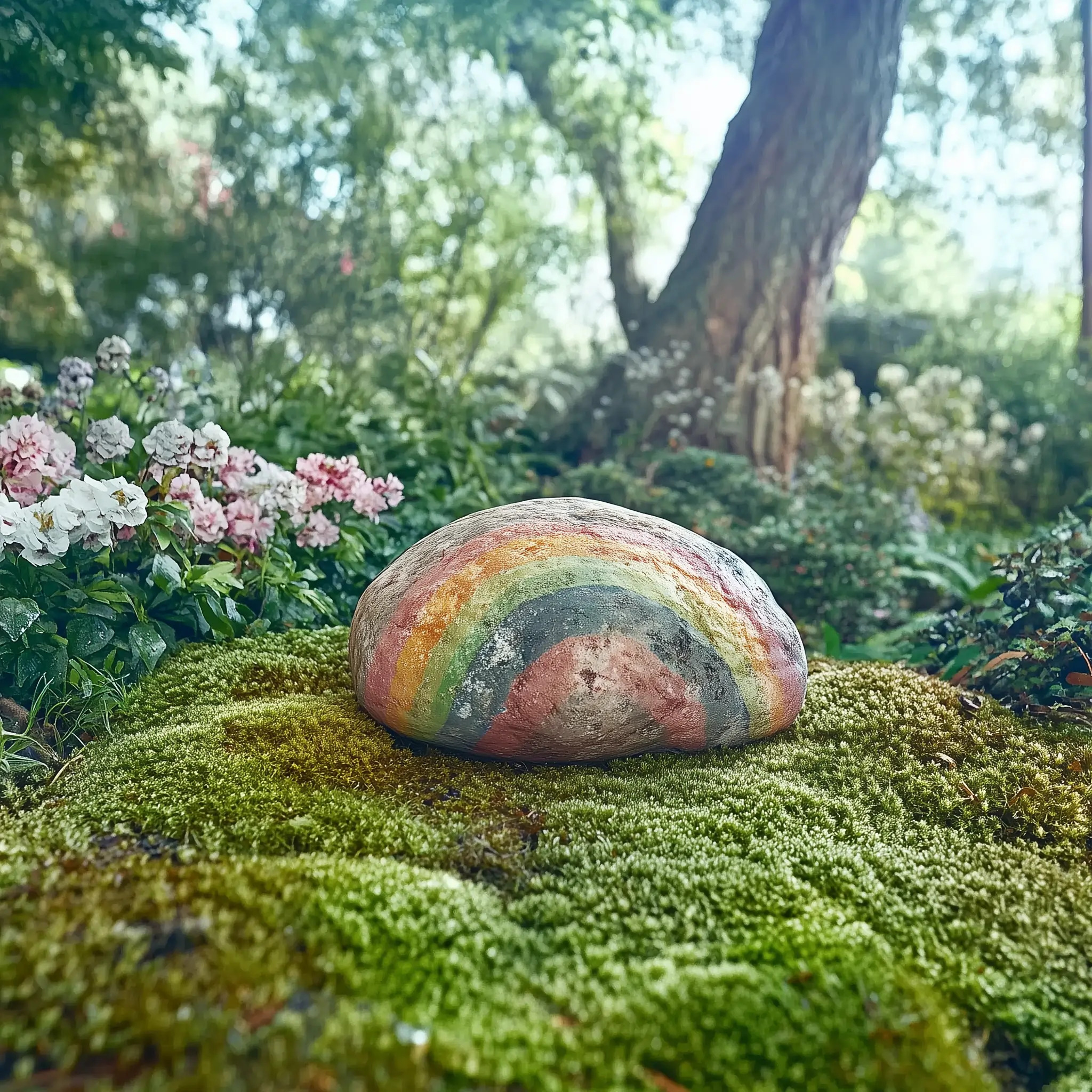
Rainbow - simple colored bands
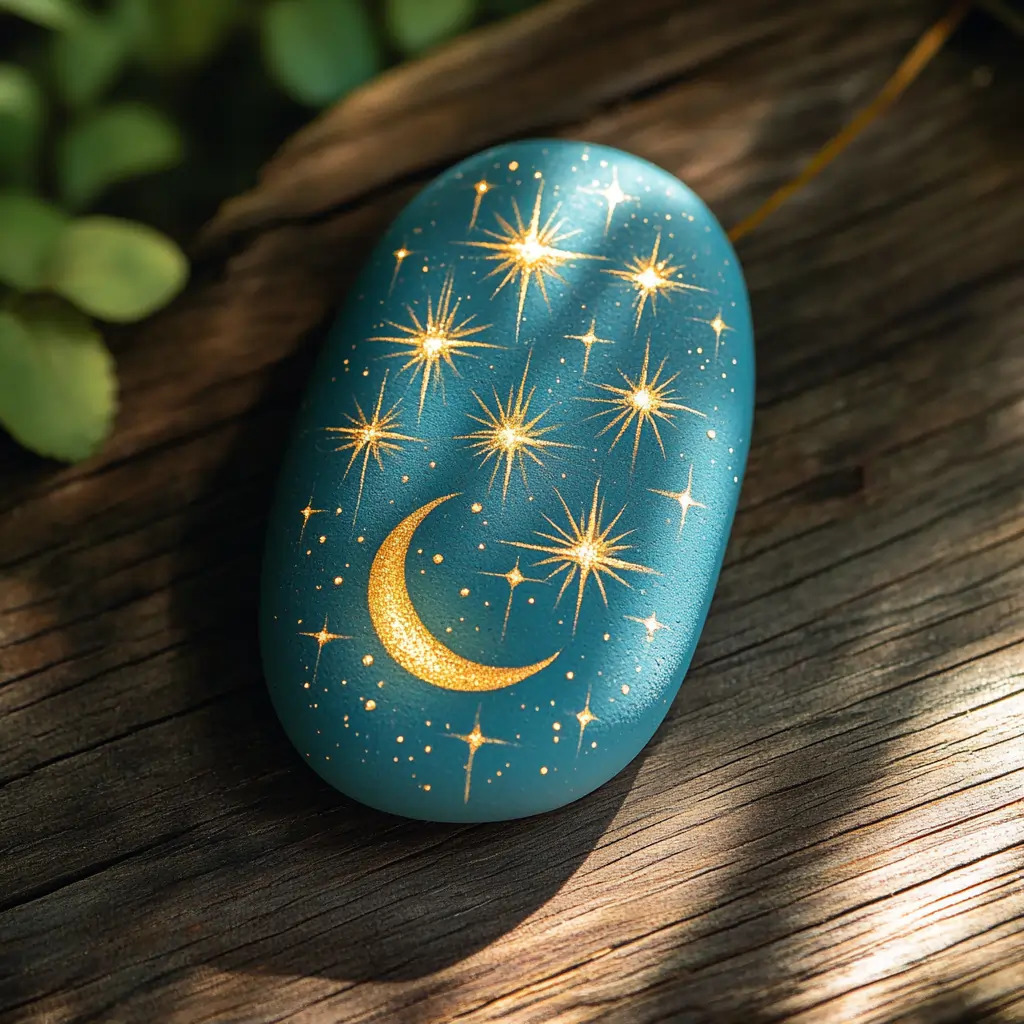
Stars and moon - luminous geometric shapes
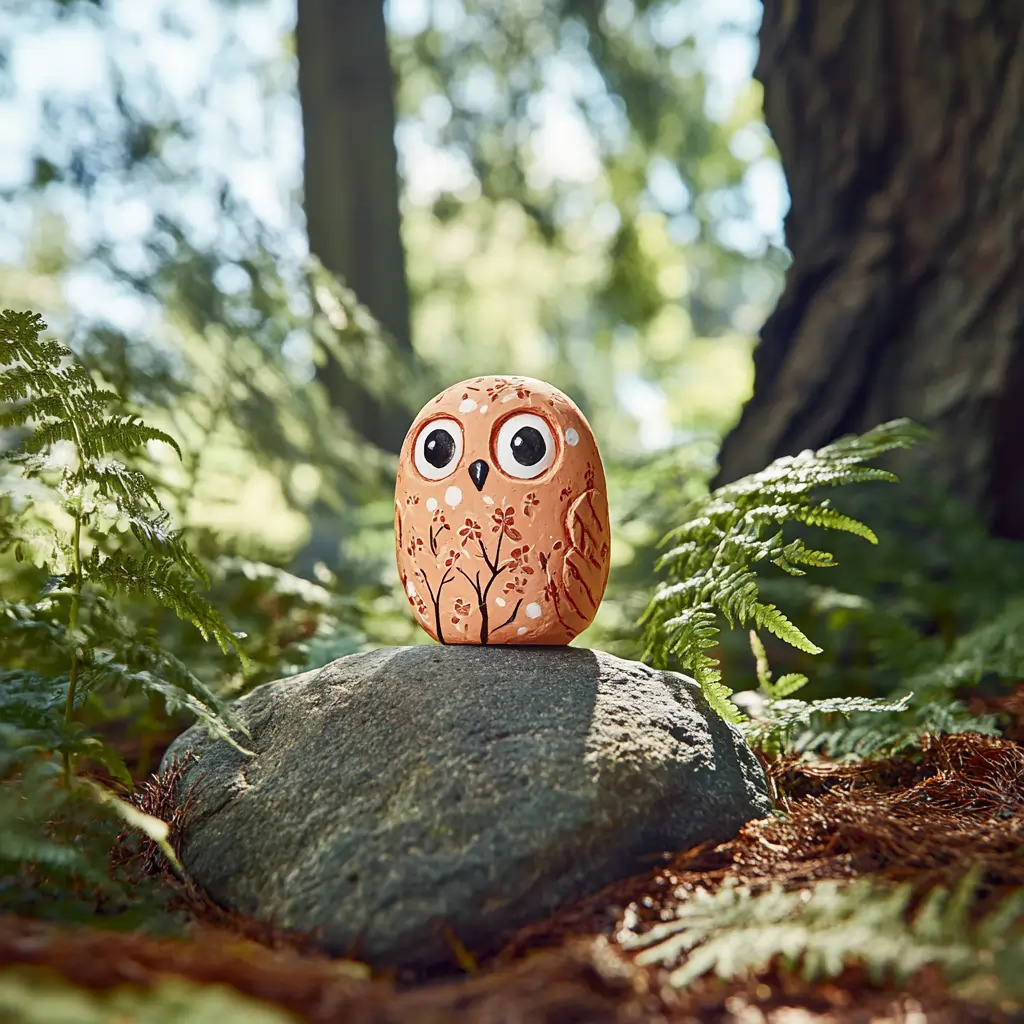
Owls - large expressive round eyes
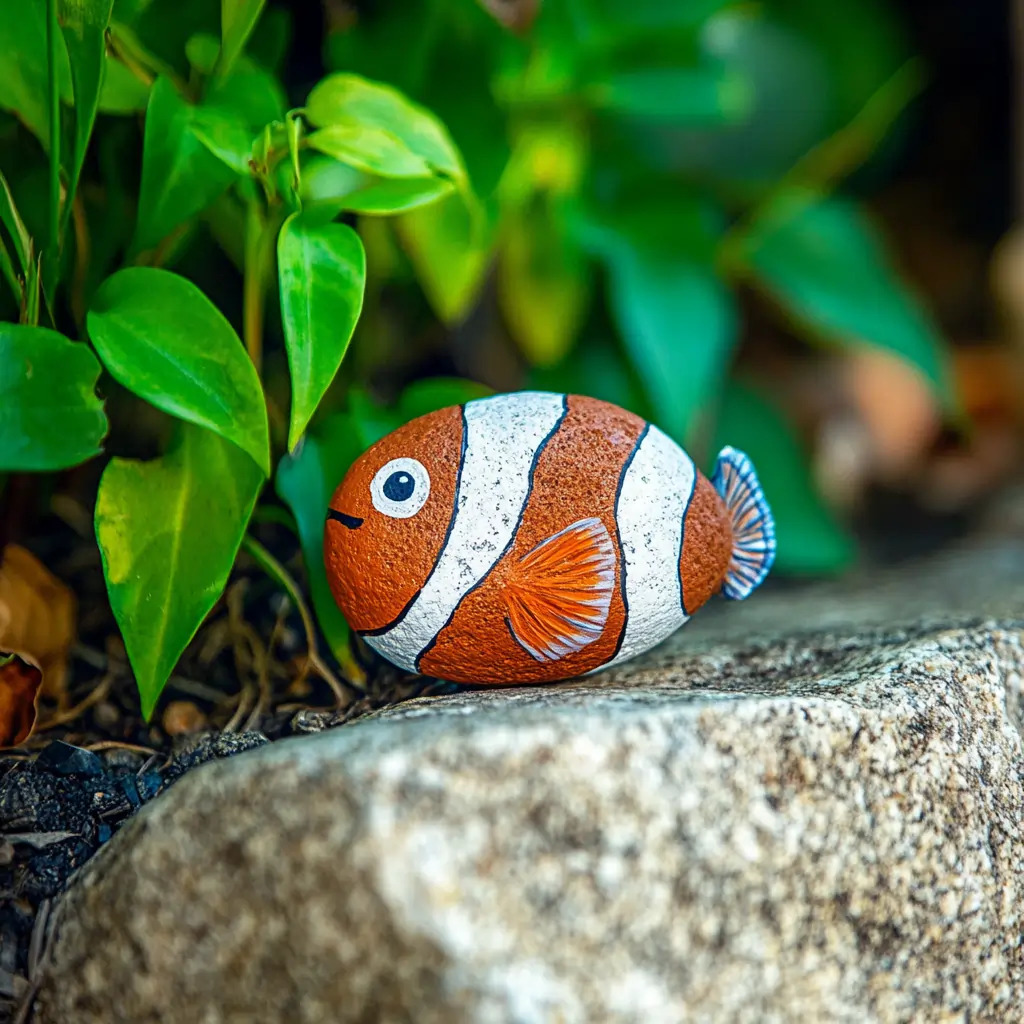
Clownfish - orange and white stripes
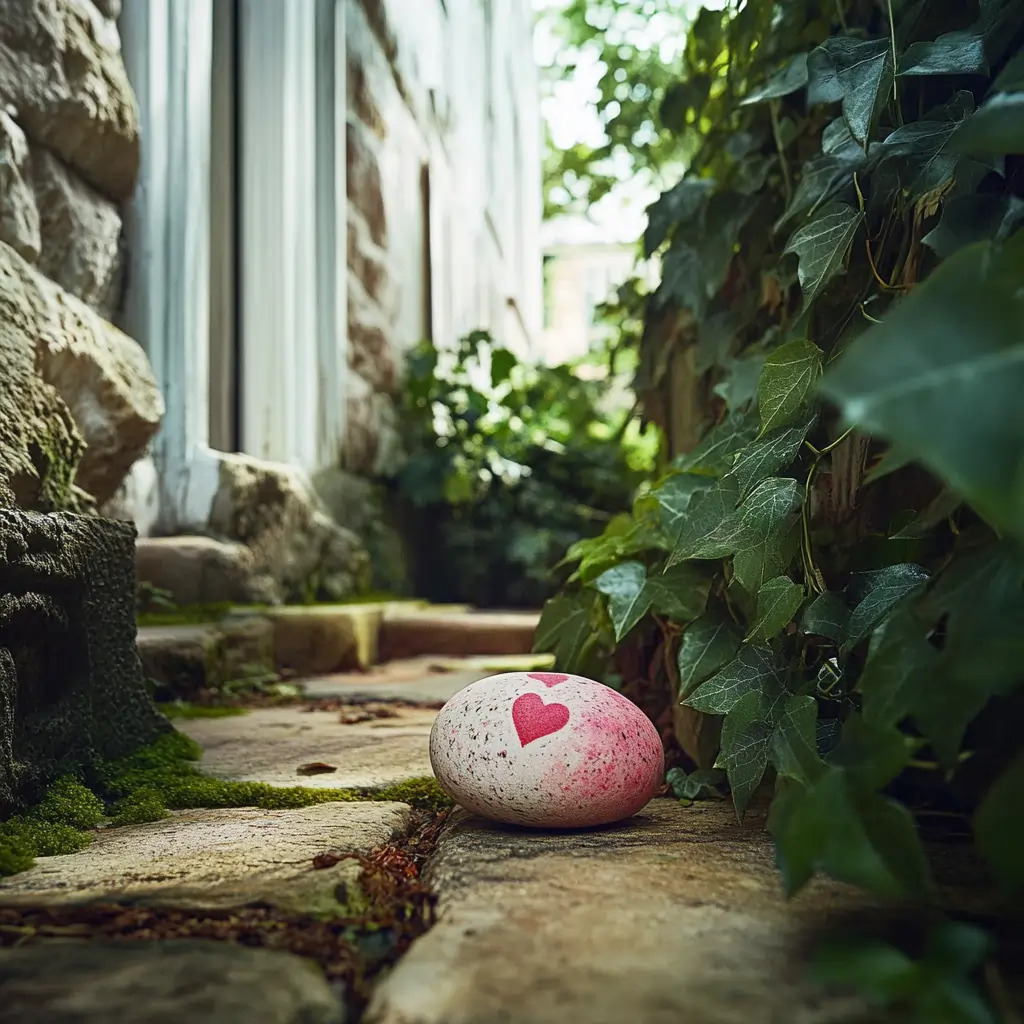
Hearts - universal symbols in gradients
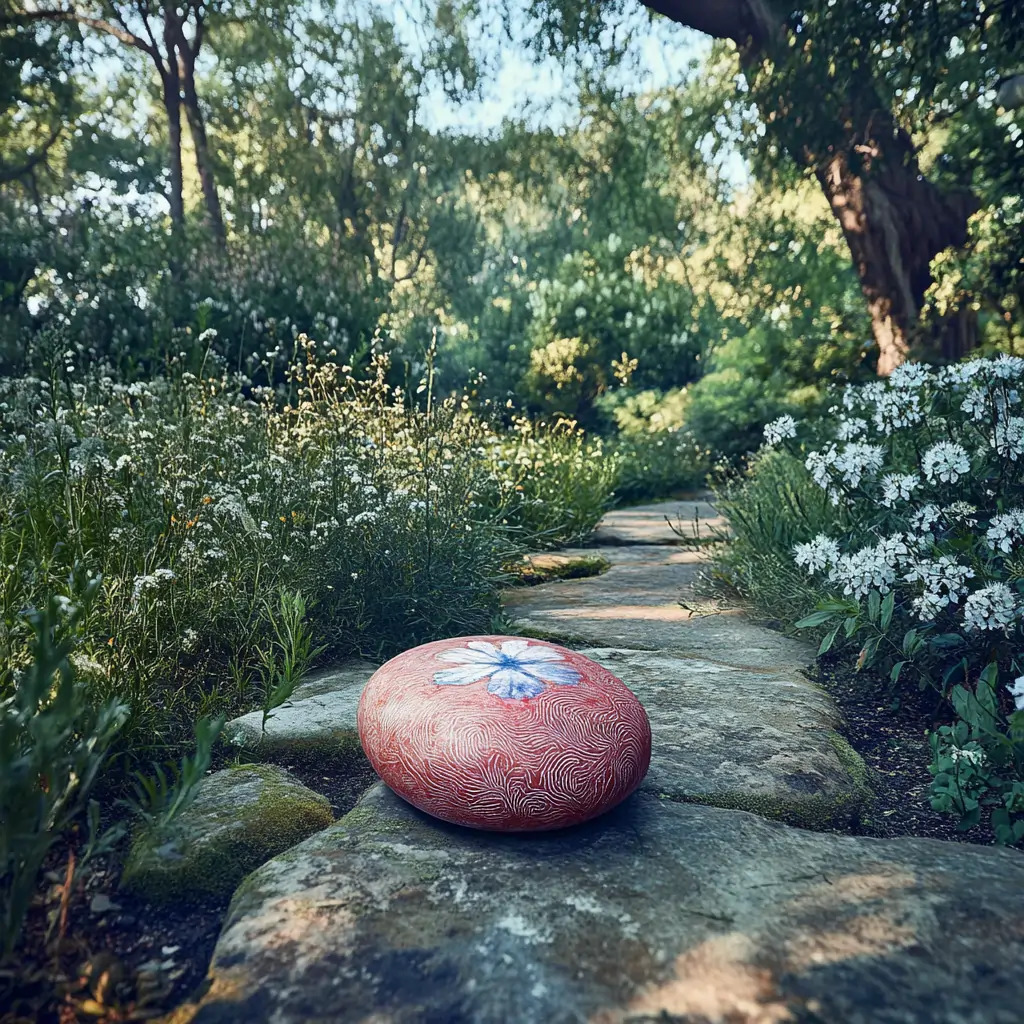
Stylized flowers - petals in fingerprints
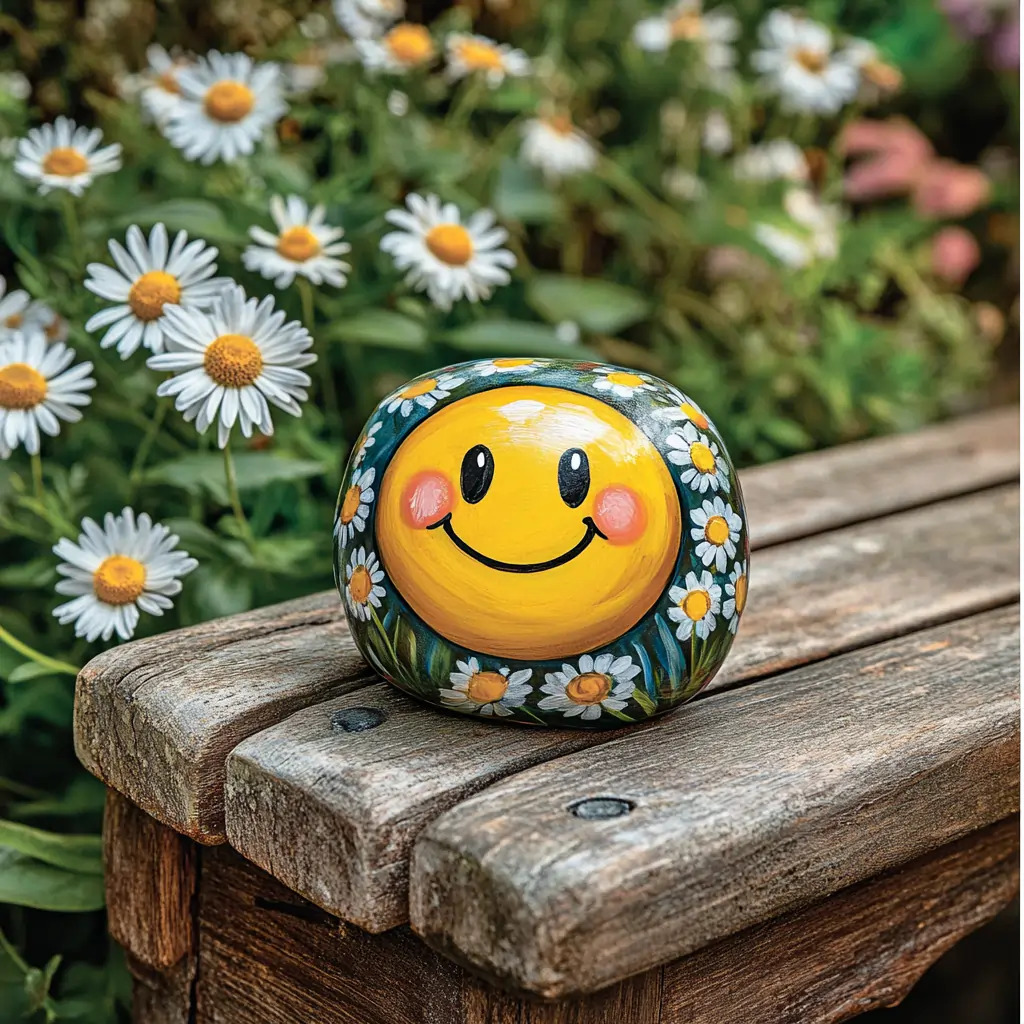
Smileys - happy emoticons
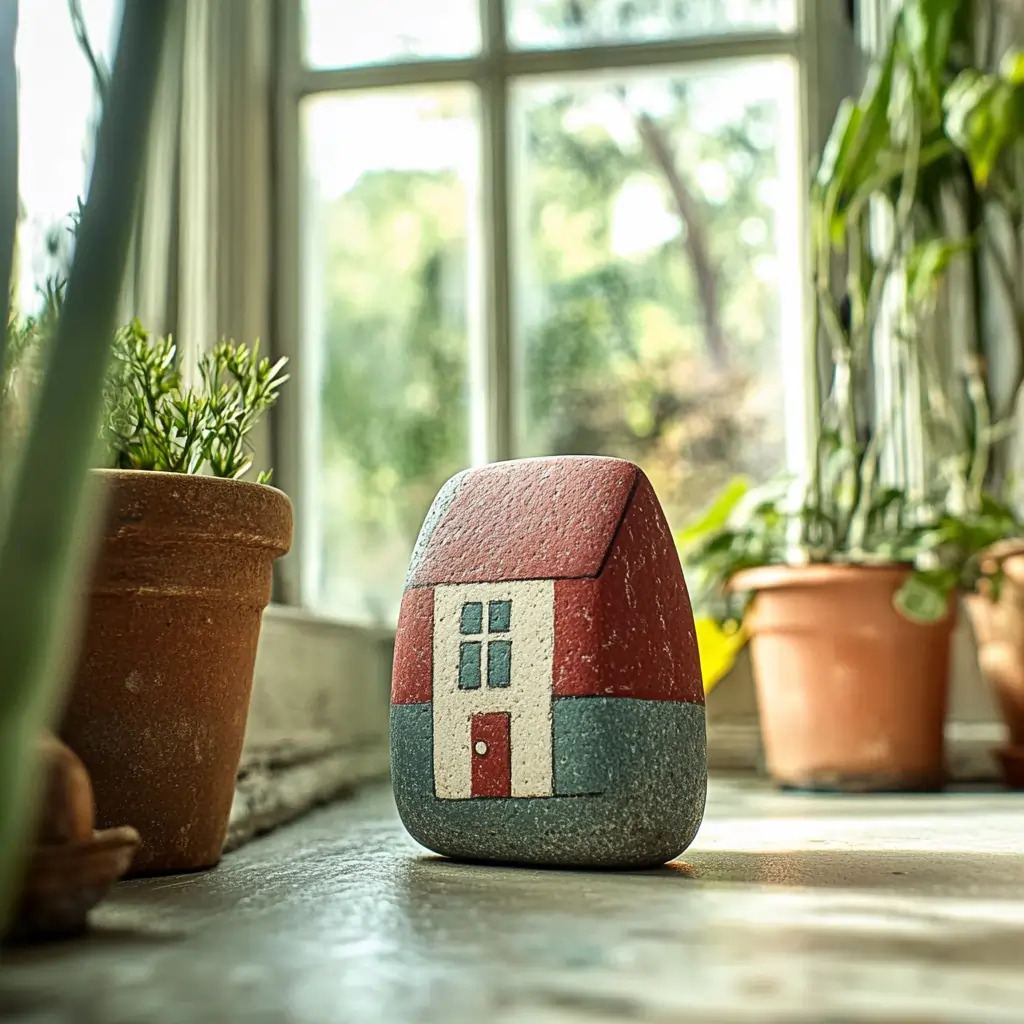
Little houses - simple triangular shapes
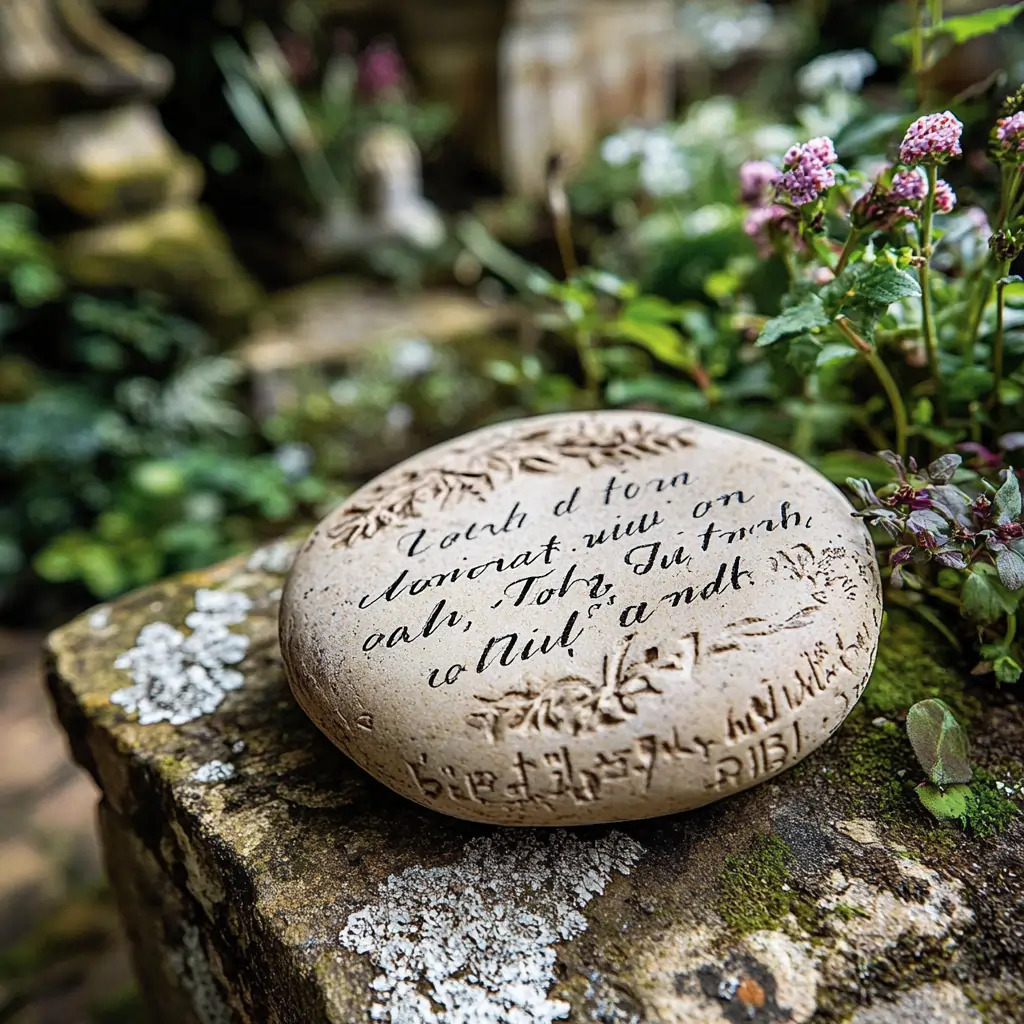
Message pebbles - names or positive quotes
Previous
Next
Organize themed challenges between cousins or neighbors. A collective reward motivates reluctant ones to actively participate.
Creative ideas and personalization
Popular themes
Floral and animal patterns dominate current creations. Teenagers appreciate complex mandalas while younger children prefer colorful geometric shapes. Color harmony, like colors that stimulate imagination, plays a key role in design attractiveness.
Adapt your pebbles to events: painted candles for birthdays, snowflake patterns for Christmas. This approach allows you to create tangible memories to share during family celebrations.
Accessible advanced techniques
Create textures with sand mixed into paint or glued fabric pieces. This method develops children's spatial perception while adding a tactile dimension to the works.
Combine dried plants and metallic paint for mixed creations. Twigs glued on a golden background transform a simple pebble into a natural and poetic artwork.
Preservation and use of creations
Choose a marine varnish resistant to UV for pebbles exposed outdoors. Two coats applied 24 hours apart guarantee optimal protection of children's drawings.
Transform decorated stones into useful items: personalized paperweights with engraved names, markers for aromatic plants in the garden. These creative recycling methods sustainably enhance the artistic investment of young ones.
Good painting practices
Material management
Clean brushes with vinegar water immediately after use. This natural mixture dissolves acrylic residues without damaging the bristles
Store opened tubes upright in an airtight box. Parchment paper under the cap prevents paint hardening.
Recycle paint leftovers by creating color charts on cardboard. This practice develops children's ecological awareness while organizing your palette.
Safety and prevention
Choose products labeled "compliant with toy standard EN71-3". These paints guarantee the absence of heavy metals, even with occasional skin contact.
For stains on textiles, act within 10 minutes: dab with a water/vinegar mixture before machine washing. This method prevents 85% of unwanted staining.
Sharing and transmission
Create a digital photo album of favorite creations. Associate each image with an anecdote written by the child to build a digital family heritage.
Start an exchange circle with 3-4 neighboring families. Quarterly meetings allow you to discover new techniques while strengthening intergenerational bonds.
Transform pebbles into educational tools: textured letters for learning writing, or numbers for first mathematical operations.
Wrap gift creations in personalized and eco-friendly kraft paper that children love.
Suitable materials, simplified techniques, and unlimited personalization: decorating pebbles becomes child's play. Apply our tips now to transform this activity into bonding moments. Each painted stone now carries the lasting emotion of a shared family creation – simply let the pebbles tell your story.
 En
En
 Français
 Deutsch
 Nederlands
 Italiano
 Español







 What Age for Bunk Bed: Standards and Safety
 When to put baby in their room: age and transition
 Best Choice for Baby: Bed Attached to Parents or Next to Them?
 The convertible bed: furniture that grows with your child
 The bunk bed with storage and desk: discover its advantages!