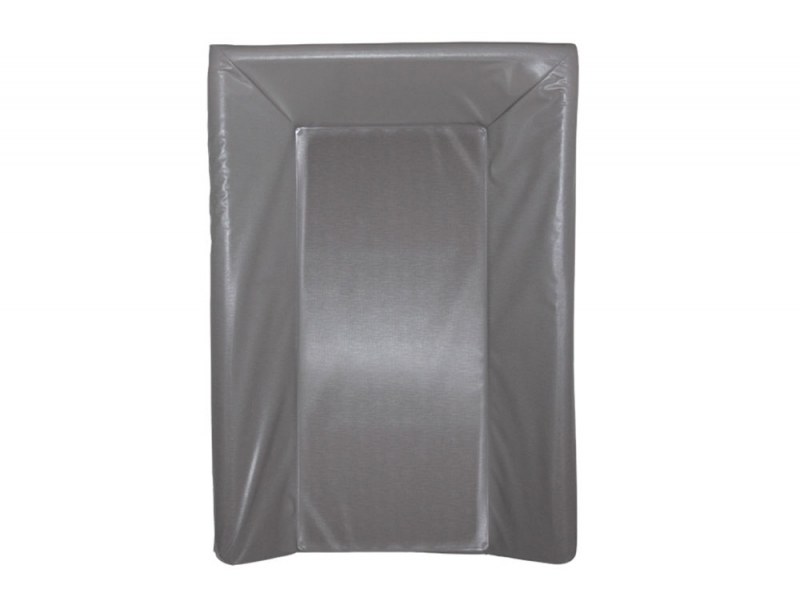
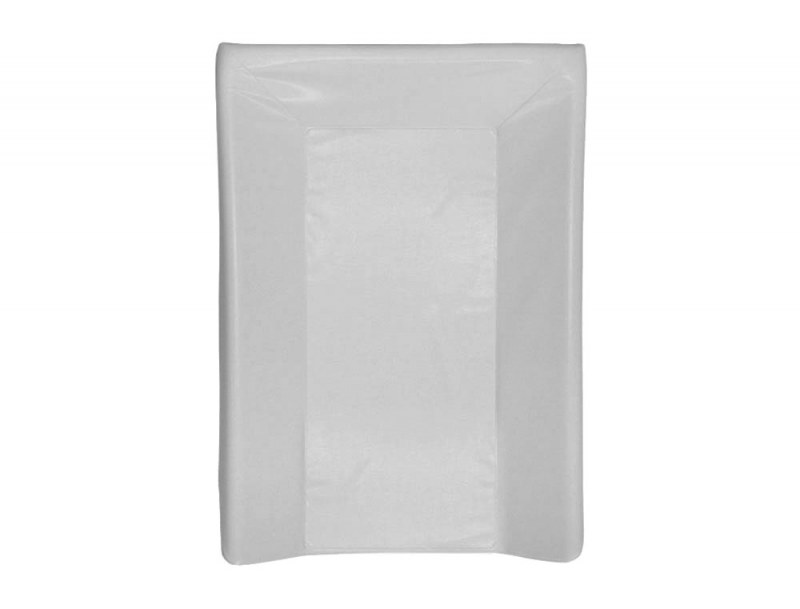
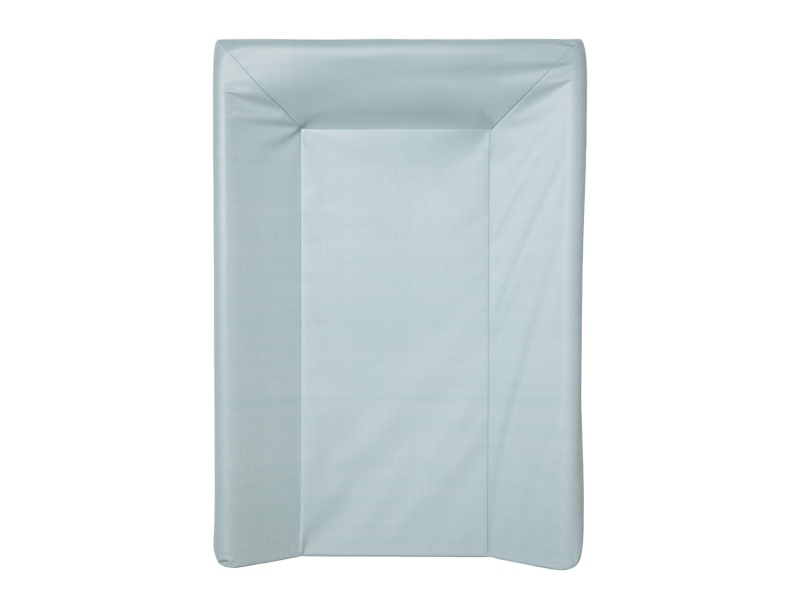
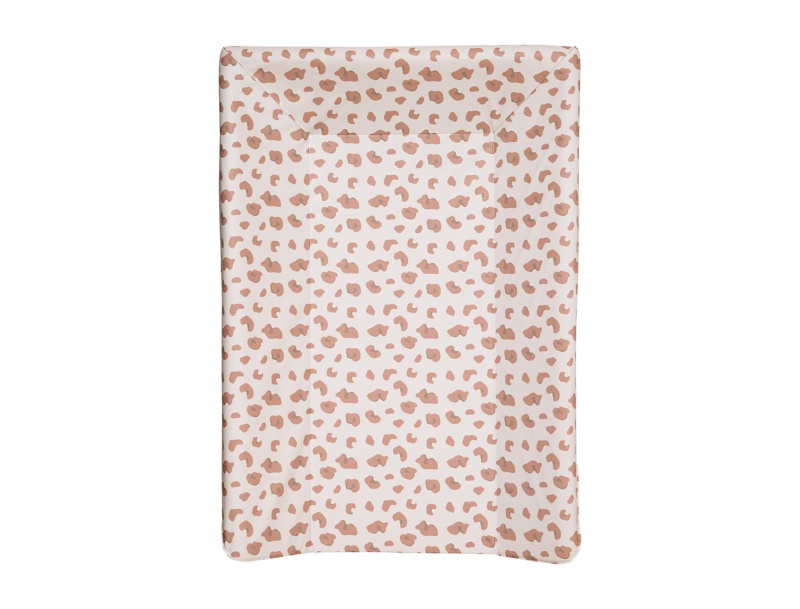
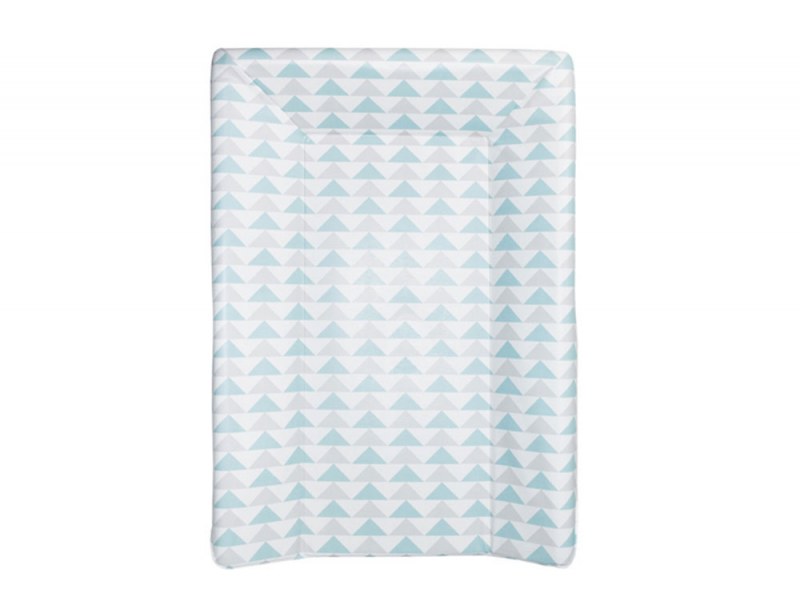
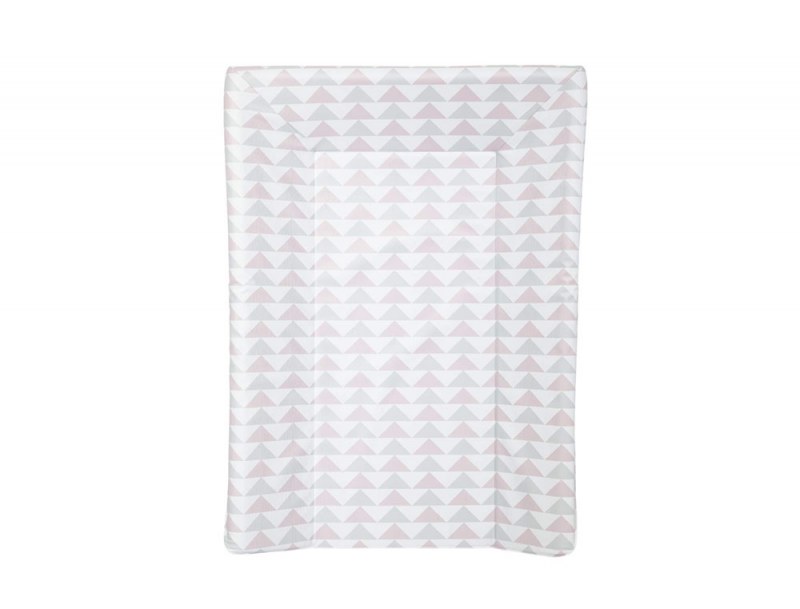
Which changing mat to choose? The essential guide for new parents
The best changing mat is one that combines safety, comfort, and practicality, depending on your space and baby's well-being.
Changing your baby is not just an everyday task. It's a key moment, several times a day, where comfort and safety must coexist. And the changing mat plays a more important role than it seems. So, how do you choose the right one?
Materials and comfort: where it all begins
A changing mat is a bit like a cocoon: if the material scratches, slips, or pricks, baby will remember it.
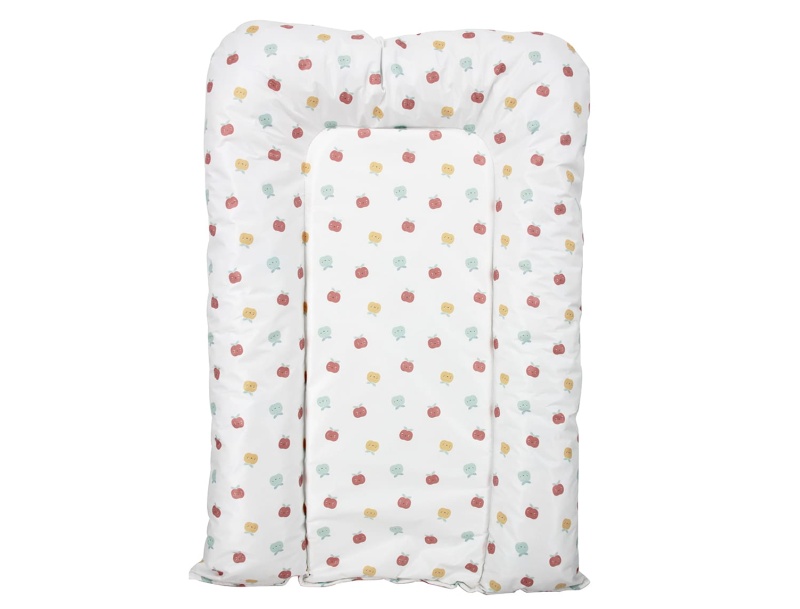
High-density foam models offer a soft seat, ideal for a pleasant changing moment.
When they are covered with organic cotton or bamboo, they respect baby's delicate skin while ensuring good breathability.
PVC, often used, is attractive for its easy maintenance, but its cold contact can surprise newborns. Natural latex, on the other hand, combines comfort and hypoallergenic properties.
A slipping changing mat is like an endless slide... except there are risks.
The EN 12221 standard ensures optimal stability. Check for raised edges to prevent rolling. Models with a non-slip base or attachment straps reassure parents, especially when baby becomes more mobile. Machine-washable removable covers are also a real plus for everyday accidents.
? Did you know? An Oeko-Tex certified changing mat has passed more than 100 tests ensuring the absence of harmful substances. The result: fewer allergies, more peace of mind.
Changing mat dimensions: neither too big nor too small
A poorly adjusted changing mat is like a puzzle with an extra piece. It doesn't fit.
The standard size (50x70 cm) suits most changing tables. But be careful: measure before buying!
A margin of 2 to 3 cm is essential for stable fixing. For atypical supports, universal or foldable models remain clever solutions. Their flexibility allows adaptation without compromising on safety.
However, for small spaces or travel, compact portable changing mats are ideal. Easy to fold, lightweight, they slip into any diaper bag. Handy for a weekend at grandma and grandpa's.
Types of changing mats: each has its use
Each family has its rhythm. Each changing mat too.
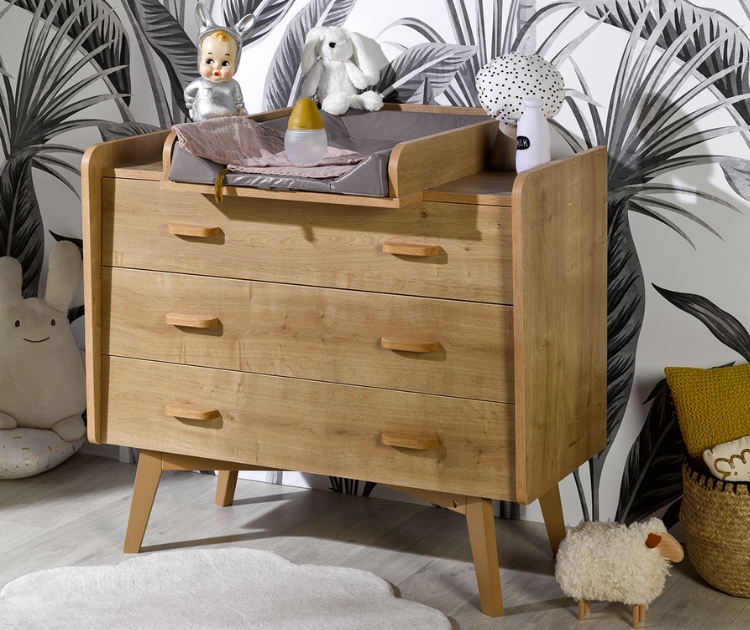
The classic, thick, and rigid models are perfect for stationary use on a changing dresser. They ensure stability and comfort. The portable versions, which are thinner, allow you to change your baby in any circumstance: car, park, or waiting room.
Some even include storage pockets for wipes or diapers. Changing mats with integrated covers avoid unpleasant wrinkles, while those with separate covers allow rotation to always have a clean surface available.
Let's use an analogy: the classic changing mat is like your cozy sofa; the portable one is like the foldable blanket for impromptu picnics.
?To learn more about changing tables and dressers, don't hesitate to check out our dedicated Chambrekids articles:
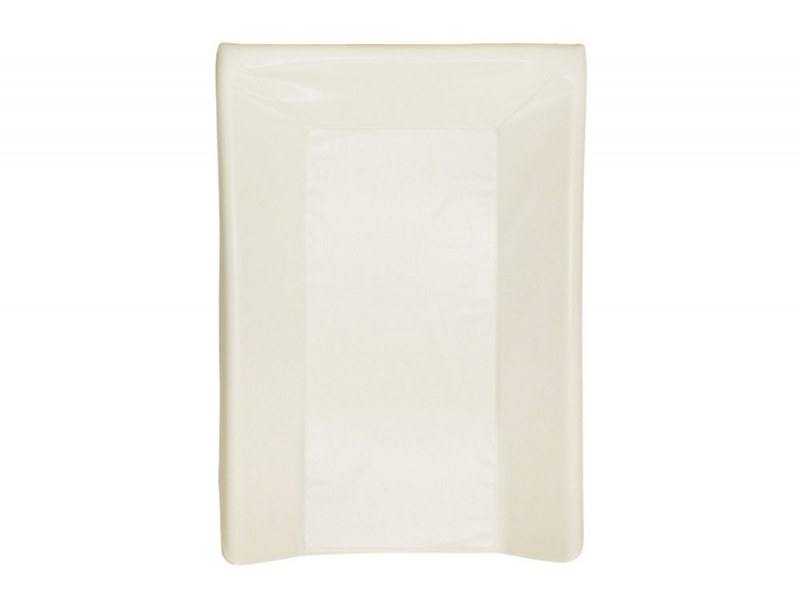
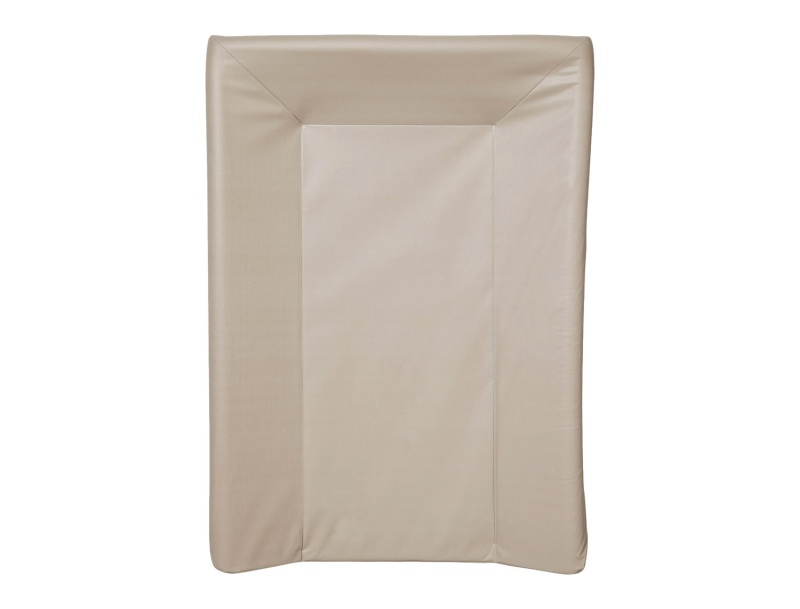
Waterproof coverings (PVC or polyurethane) can be cleaned with a simple wipe. A significant advantage when you're changing diapers multiple times a day. Some models combine inner foam and a waterproof surface for enhanced comfort. Versions labeled Oeko-Tex combine hygiene and safety, without harsh chemicals.
However, be careful with the products used: opt for mild soap, avoid abrasive wipes. This extends the life of the changing mat and respects baby's skin.
The eco-friendly changing mat: a committed choice
Choosing eco-friendly means offering baby a healthy environment from the very first days.
Eco-friendly changing mats are made from natural materials such as organic cotton, bamboo, or coconut fiber. Their manufacturing follows strict specifications, often certified GOTS or Oeko-Tex. Fewer irritants, more softness. Their higher cost is offset by their durability and reduced environmental impact.
3 mistakes to absolutely avoid
❌ Choosing a changing mat that's too big or too small for the support. ❌ Forgetting to check certifications (Oeko-Tex, EN 12221). ❌ Prioritizing price over comfort.
These mistakes can compromise baby's safety or comfort. Take the time to compare.
Maintenance and hygiene: simple but essential gestures
A clean changing mat means a more serene routine.
Clean after each change.
For waterproof coverings: a damp cloth and a little mild soap are sufficient. For absorbent fabrics: machine wash at 30°C and air dry.
For persistent stains, white vinegar or baking soda remain your best allies.
And for natural disinfection, a few drops of tea tree essential oil diluted in water will do the job.
✅ Dimensions suitable for your table or support ✅ Soft, hypoallergenic, and certified materials ✅ Raised or non-slip edges for more safety ✅ Easy to clean (washable cover or waterproof surface) ✅ Durable and eco-friendly model if possible ✅ Compliant with European standards (EN 12221, Oeko-Tex) ✅ Well maintained for perfect hygiene
 En
En
 Français
 Deutsch
 Nederlands
 Italiano
 Español













 What Age for Bunk Bed: Standards and Safety
 When to put baby in their room: age and transition
 Best Choice for Baby: Bed Attached to Parents or Next to Them?
 The convertible bed: furniture that grows with your child
 The bunk bed with storage and desk: discover its advantages!