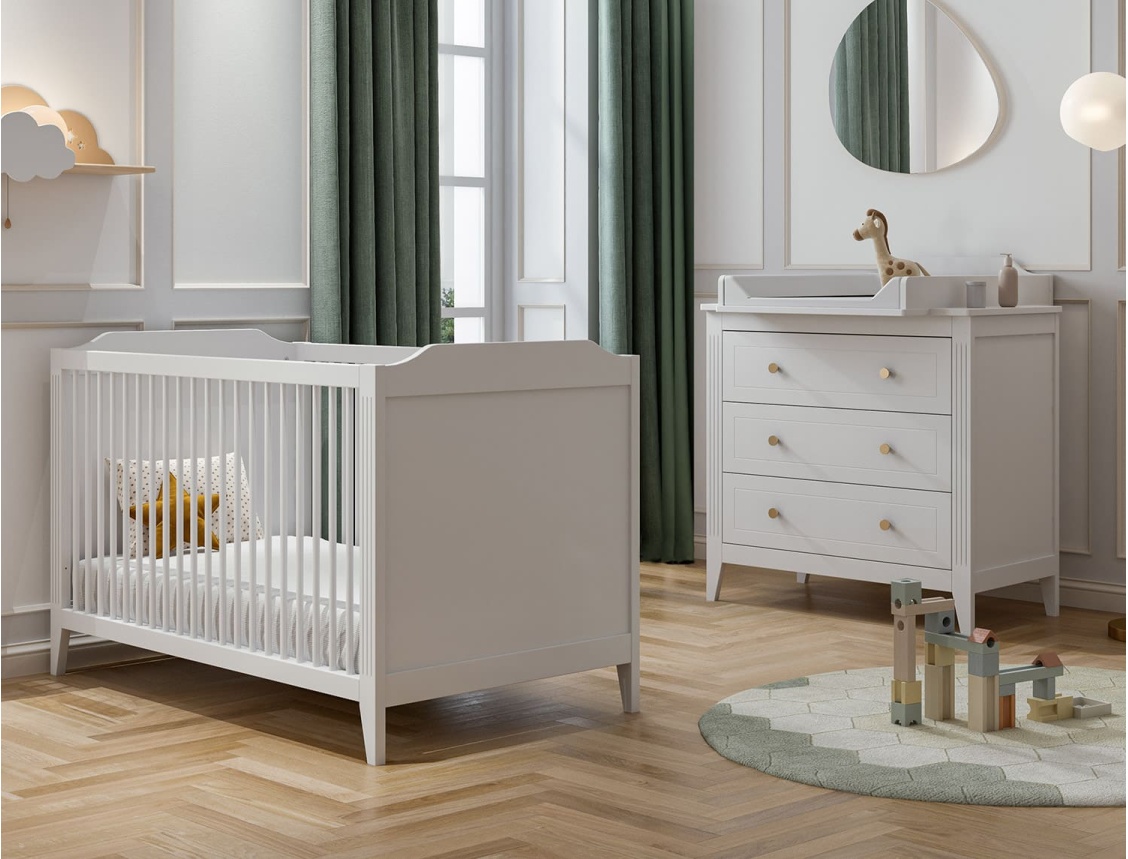
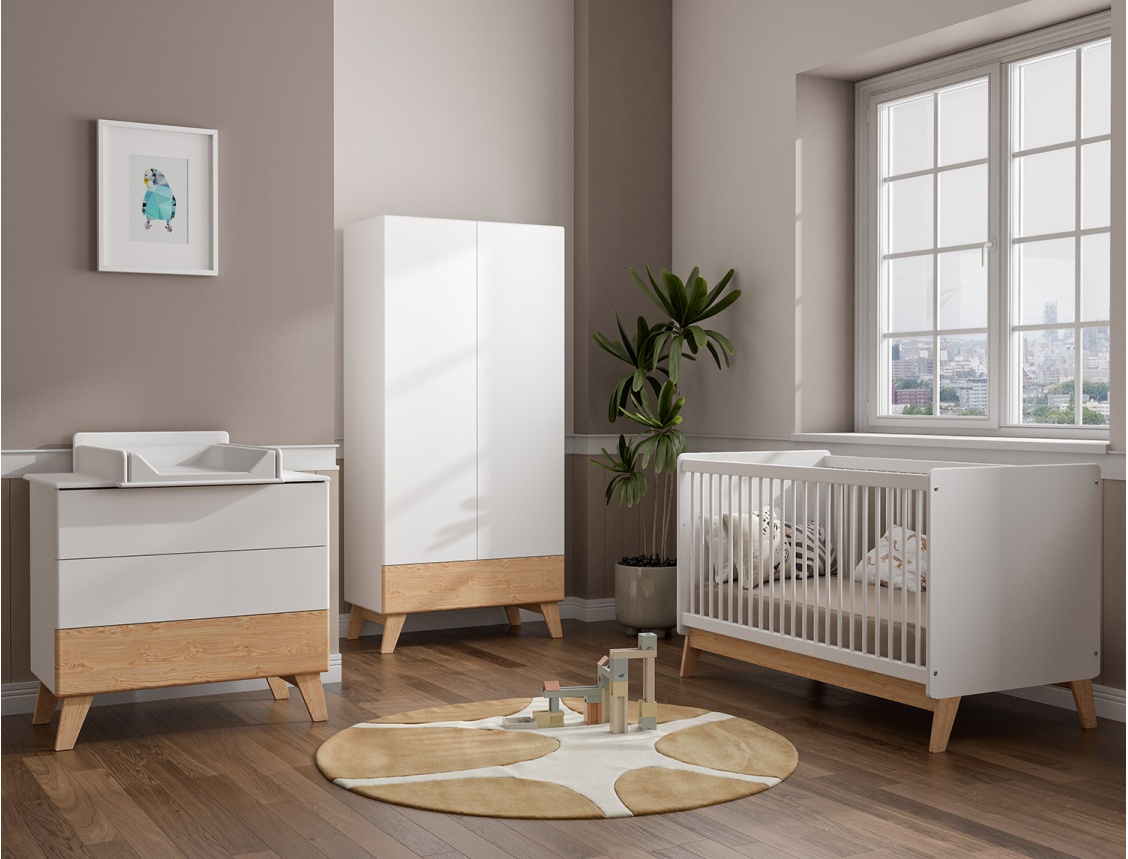
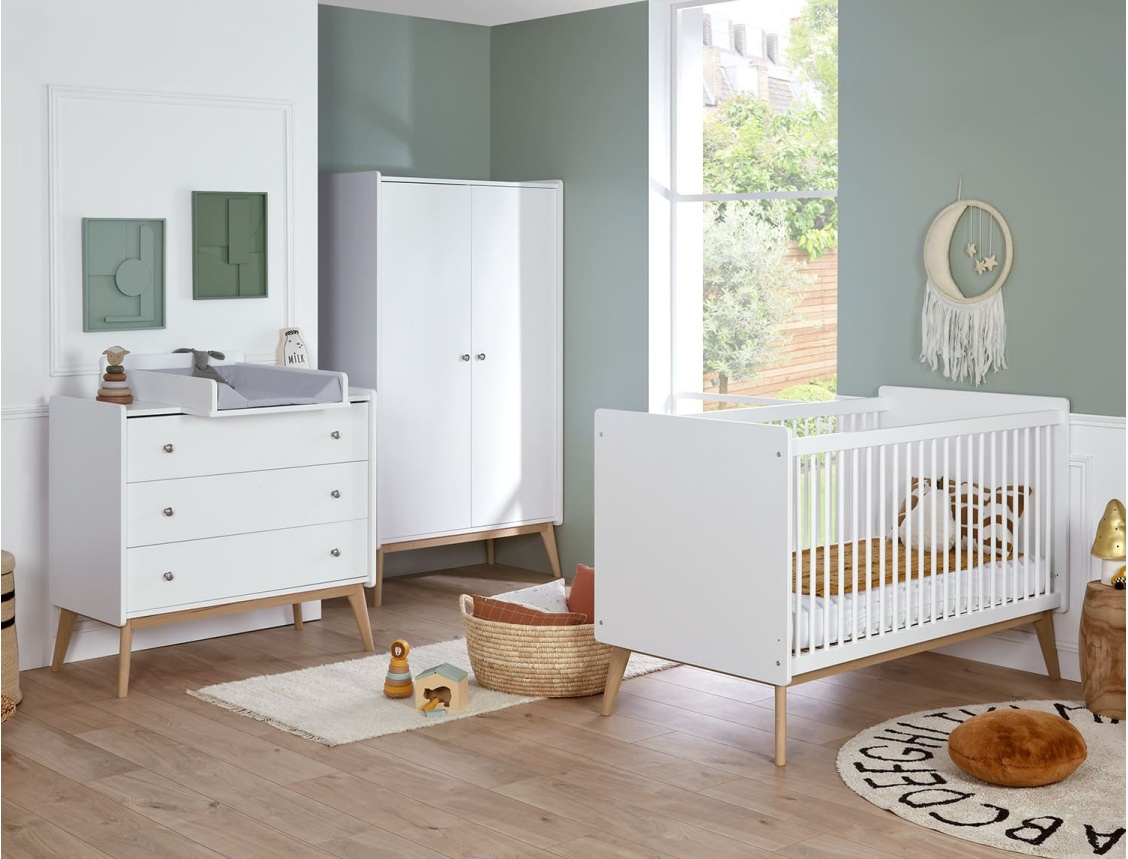
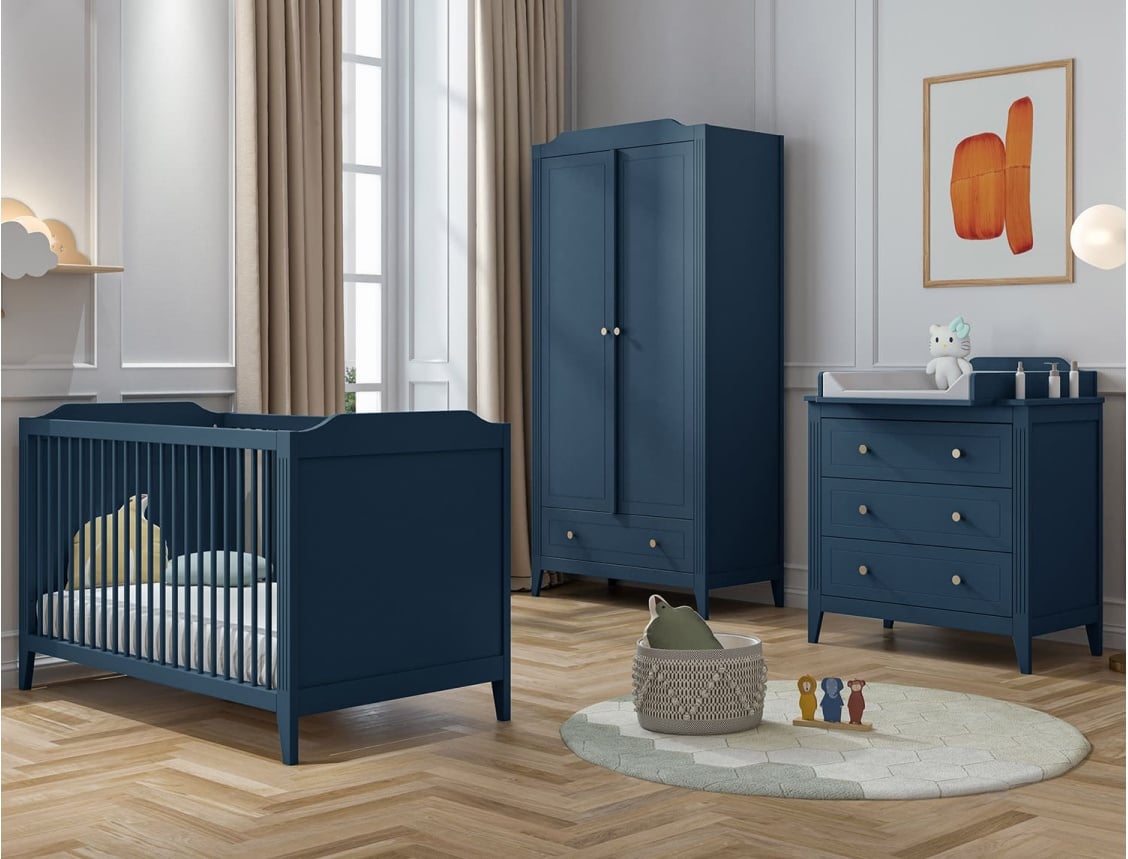
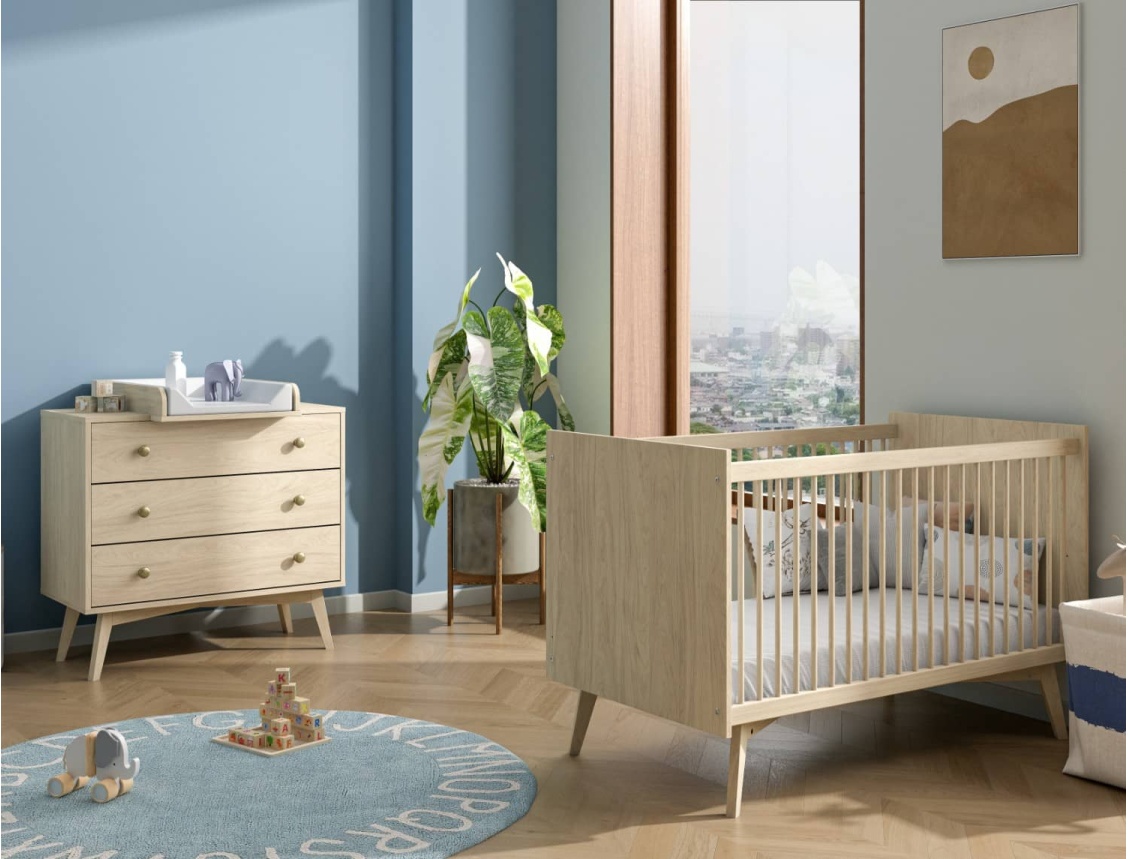
Since a baby spends considerable time in their room, it's essential that it be as welcoming and cozy as possible. Besides the layout, furniture, and decoration, you must pay attention to the humidity level. It's partly linked to temperature but depends on other factors.
Baby room temperature
Before discussing humidity, let's focus on the temperature that should prevail in the baby's room. It should ideally be between 18 and 20°C.
Heating ensures the temperature never falls below 18°C. However, heat is more difficult to control if you don't have air conditioning at home. The temperature should never exceed 28°C. If it does, you must find a solution: either with a temporary air conditioner or by moving the baby bed until the temperature becomes more moderate.
What is hygrometry?
Hygrometry defines the air humidity level by calculating the amount of water vapor contained in the air. It is expressed as a percentage. It's very important to find the right balance for your interior, as an atmosphere that's too dry or too humid affects the health of household occupants.
Babies are naturally more sensitive, with their inexperienced respiratory system struggling to adapt to unfavorable conditions.
Humidity level according to climate and season
Temperature and humidity levels are linked. Excessive use of heating, for example, tends to dry out the air.
The range for acceptable humidity levels is wide, from 30 to 70%. Specialists who restrict these numbers to the maximum speak of an ideal humidity level between 40 and 60%.
Humidity level according to location
The air humidity level depends on your location, climate, and temperature. In France, outdoor humidity averages 70 to 80%. In some tropical countries like the Philippines, it reaches 100%.
Humidity levels to avoid
A relative humidity level below 30% facilitates the spread of bacteria and viruses such as the flu virus. However, when it exceeds 70%, you risk the appearance of mold that produces spores that spread in the atmosphere and stick to the wall. These can cause respiratory discomfort, allergies, and conditions such as asthma.
Hygrometry and temperature
The warmer the air, the more water vapor it can contain. When the temperature drops in the evening, then during the night, the atmosphere reaches its saturation point more quickly, also known as the "dew point". This is when condensation forms on windows. If you don't intervene to control humidity, you risk exposure to mold and its harmful effects on your baby's health.
What humidity level in baby's room?
The ideal humidity level in a baby's room should be between 40 and 60%. Below this, your child may experience mucous membrane irritation and develop migraines. Conversely, when the humidity level is too high, above 60%, you attract dust mites and expose your infant more to allergies and colds.
To know the humidity level in your baby's room, you need to get a hygrometer that measures it in real time.
How to humidify without a humidifier?
There are devices — humidifiers or dehumidifiers — that ensure humidity control and provide you with constant data. These devices are reliable, however, they require an initial investment, then demand serious maintenance to prevent them from becoming breeding grounds for microbes and mold. Moreover, they run on electricity and increase your energy bill. That's why it remains preferable to use natural methods.
Here are our tips to regulate your humidity level simply:
If you need to reduce the humidity level in the baby's room
Check and clean your VMC and all ventilation vents.
Heat the room to dry it out. Take advantage of the baby's absence to exceed 20°C, but don't put them back to bed until the room has returned to normal temperature.
Always close the bathroom door to prevent humidity from spreading to the room.
If you need to increase the humidity level in the baby's room
Reduce the room temperature, without going below 18°C where it would be too cold
Place a glass of water above the heater to benefit from water evaporation.
Install your clothes drying rack in the room so it dries in the room, humidifying its atmosphere.
Let humid air from the bathroom circulate freely.
Place a damp cloth in front of a fan.
The humidifier and dehumidifier nevertheless
If you still need to equip yourself with a humidifier or dehumidifier because you're experiencing significant humidity problems, take all precautions.
Request quotes from different suppliers to compare prices and quality.
Clean the device as often as possible to prevent the proliferation of microbes and check that mold is not developing, particularly by checking the baby mattress.
Use demineralized or distilled water to prevent the presence of microorganisms and limescale formation.
 En
En
 Français
 Deutsch
 Nederlands
 Italiano
 Español












 What Age for Bunk Bed: Standards and Safety
 When to put baby in their room: age and transition
 Best Choice for Baby: Bed Attached to Parents or Next to Them?
 The convertible bed: furniture that grows with your child
 The bunk bed with storage and desk: discover its advantages!