How to know if your child has dust mites in their bed?
Restless nights, unexplained itching or persistent fatigue upon waking? Your child could be a victim of dust mites, these invisible microorganisms that proliferate in mattresses, pillows and stuffed animals. Their droppings, rich in allergens, cause allergies, dry cough or stuffy nose first thing in the morning. Before taking action, it is essential to know how to detect them.
Key takeaways: how to know if you have dust mites in your bed?
Dust mites in the bed manifest through recurring nighttime symptoms: dry cough, stuffy nose, itching, fatigue upon waking or stinging eyes. Their presence is often indirect: fine dust, dark spots on the mattress, or worsening allergies at night. To confirm, use an allergen detection kit or get tested by an allergist. They don't bite, but their droppings trigger allergic reactions.
✅ Key indicator: if symptoms disappear outside the bedroom, dust mites are probably the cause.
This article then guides you to spot other signs, avoid confusion with bed bugs, and above all adopt the right actions: washing linens at 60°C, daily airing, anti-dust mite bedding... Goal: a healthier room and finally restful nights.
The telltale signs: your body alerts you at night
Do you find that your child often wakes up at night? Or that you yourself have trouble sleeping, with itching or a dry cough? Invisible dust mites could be the cause. These microscopic creatures are not dangerous, but their droppings cause allergies in sensitive people. If these signs persist, opt for anti-dust mite children's mattresses, designed to limit their proliferation.
Restless nights and difficult awakenings
Disrupted sleep is often the first sign. If your child tosses and turns often or if you have difficulty falling asleep, this may hide a dust mite allergy. The child's bed becomes uncomfortable without us noticing. Even after a full night, fatigue appears upon waking, linked to micro-awakenings from irritation. In children, this translates into morning irritability or decreased concentration at school.
Allergic symptoms that intensify in bed
The warning signs are more visible in the bedroom. Be careful if you notice these signs regularly:
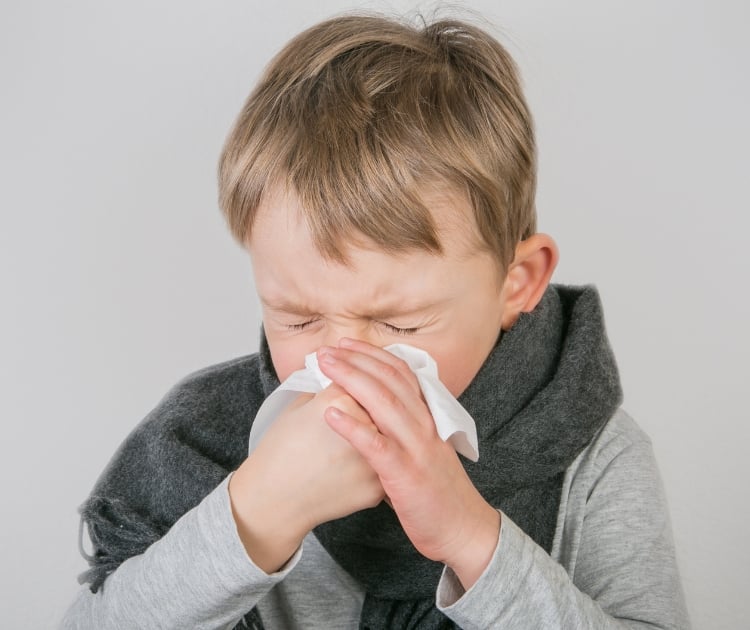
Repeated sneezing at bedtime or upon waking, confused with a cold.
Runny nose or persistent nasal congestion, especially upon waking.
Dry cough stronger at night, with irritated throat.
Eyes that sting or water without obvious cause.
Itching or redness on the skin without explanation.
Worsening of asthma attacks at night.
Faced with these signals, dust mites are probably present. Protect your family with anti-dust mite baby mattresses or anti-dust mite mattress covers, easy to clean and effective against allergens.
Conducting the investigation in the bedroom: how to confirm their presence?
Dust mites are microscopic mites that proliferate in warm and humid environments, such as bedrooms. Their favorite hideout? The bed, where body moisture and dead skin attract them. To flush them out, several methods exist, suitable for adult, child or baby beds.
Visual inspection: what can we really see? ?
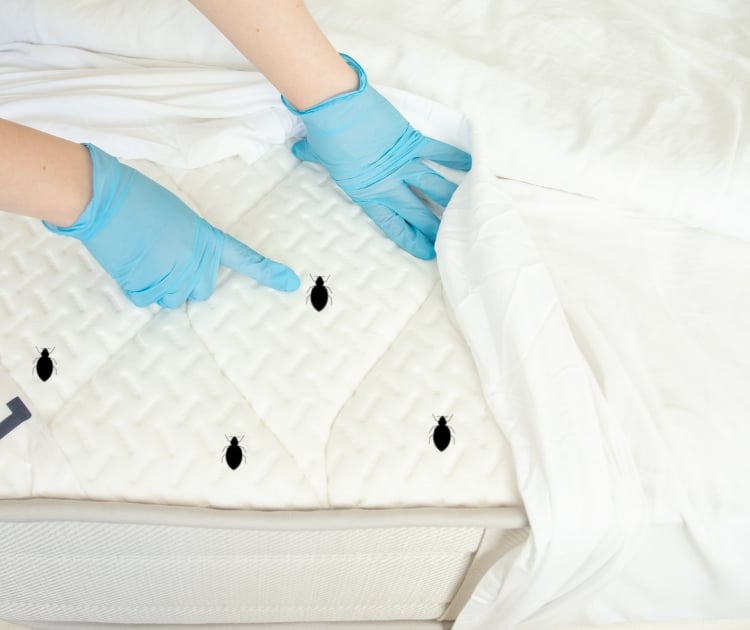
Dust mites are invisible to the naked eye, but their presence can be guessed through indirect signs. Use a flashlight to scrutinize the mattress seams, pillows and comforter. Look for very fine dust or dark spots: these are their droppings or dead skin residue.
For a home test, apply transparent adhesive tape to the mattress, then examine it with a magnifying glass. This method, although not very precise, can reveal clues. Note that the absence of symptoms doesn't guarantee the absence of dust mites: some individuals remain asymptomatic despite their presence.
Dust mites or bed bugs: don't confuse the culprits! ?
Dust mites don't bite. Their allergic reactions (stuffy nose, nighttime cough, stinging eyes) are key signals. These symptoms worsen at night or upon waking, disrupting sleep and daily vitality.
Bed bugs, on the other hand, leave bites on the skin, often grouped or in a line. We also spot blood stains on sheets or black dots (their excrement). Unlike dust mites, they have six legs and a reddish-brown body, visible with a magnifying glass. Their bite is very disturbing, sometimes a source of infections.
Detection tests to be sure ?
For reliable confirmation, opt for a dust mite detection kit available at the pharmacy. The Acar Up kit, for example, analyzes collected dust via a collector and a chemical reagent. A colored strip indicates the allergen concentration after mixing.
A medical assessment with an allergist completes these checks. Simple skin tests confirm the allergy. In case of doubt, it's better to act:
Wash linens at 60°C
Air out the bedroom 10 minutes/day
Prefer anti-dust mite covers for mattresses and pillows.
For a healthy bed, explore our anti-dust mite mattresses with ultra-dense weave, washable covers or synthetic fiber pillows. These solutions block dust mites while preserving restorative sleep, essential for the family.
Why is your child's bed a paradise for dust mites?
Your child's bed is not just a place to rest. It is also a perfect environment for dust mites, those tiny creatures invisible to the naked eye that can cause allergies. Discover why these microorganisms feel right at home there.
Heat and humidity: the winning duo for their proliferation
Dust mites love heat and humidity. During the night, your child releases approximately 0.5 liters of water through perspiration, creating an ideal microclimate in the bed. The optimal temperature for their development is 25°C, with humidity around 75%. Children's rooms are often maintained at higher temperatures, which further promotes their multiplication. This is why it is essential to monitor theideal humidity level in the baby's room, between 50 and 60%, to limit their presence.
An all-you-can-eat pantry: dead skin and dust
Your child loses between 0.24 and 0.72 grams of skin each night. These skin flakes, mixed with dust, constitute a real buffet for dust mites. Stuffed animals, often present in a child's room, act as “dust nests”. In 8 hours, millions of dead cells accumulate, attracting these unwanted guests. Dust mite droppings, rich in proteins, cause allergic reactions such as sneezing, dry cough or itching. Not to mention that bedding, curtains and carpets in the room amplify their development.
Mission "zero dust mite": simple actions for a healthier bed
Cleaning rituals to eliminate allergens
Fighting dust mites doesn't require major expenses. Daily habits are enough to reduce their proliferation in bedding by targeting humidity and organic residue. These small actions, easy to integrate, make all the difference.
Wash bed linens every week at 60°C to eliminate dust mites and their droppings. This temperature destroys their allergenic proteins.
Air out the bedroom for 15 minutes a day, even in winter, to reduce humidity and temperature. Leave the bed unmade for a while to air out the mattress.
Vacuum regularly on the mattress, carpets and curtains with a HEPA filter. This type of filter captures fine particles and allergens.
Decontaminate stuffed animals by washing them at 60°C or placing them in the freezer for 24 hours. This method eliminates dust mites without chemicals.
? To go further and respond effectively to dust mite proliferation, discover our Chambrekids articles on the same topic:
Choosing the right bedding: your best weapon against dust mites
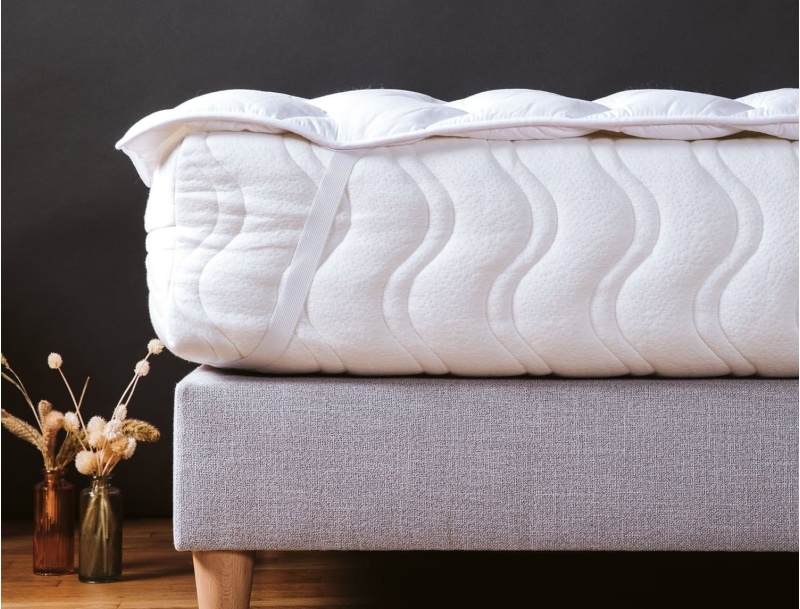
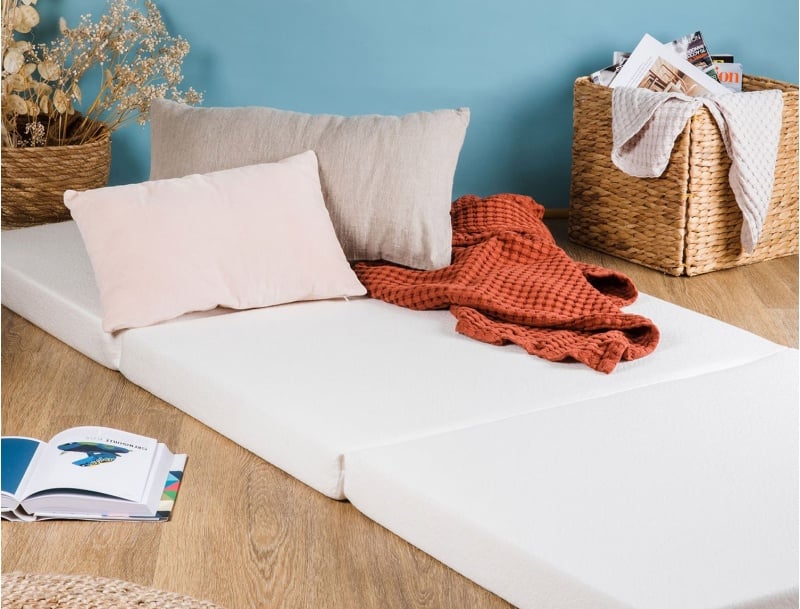
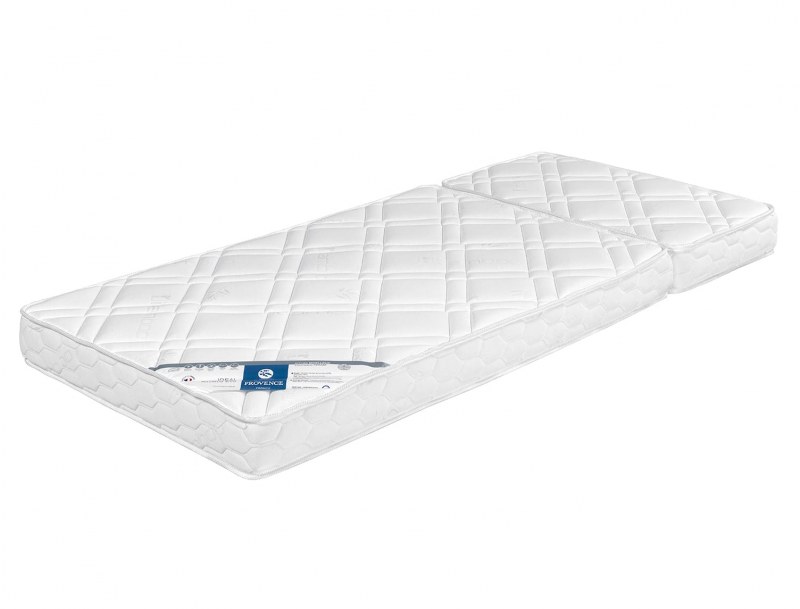
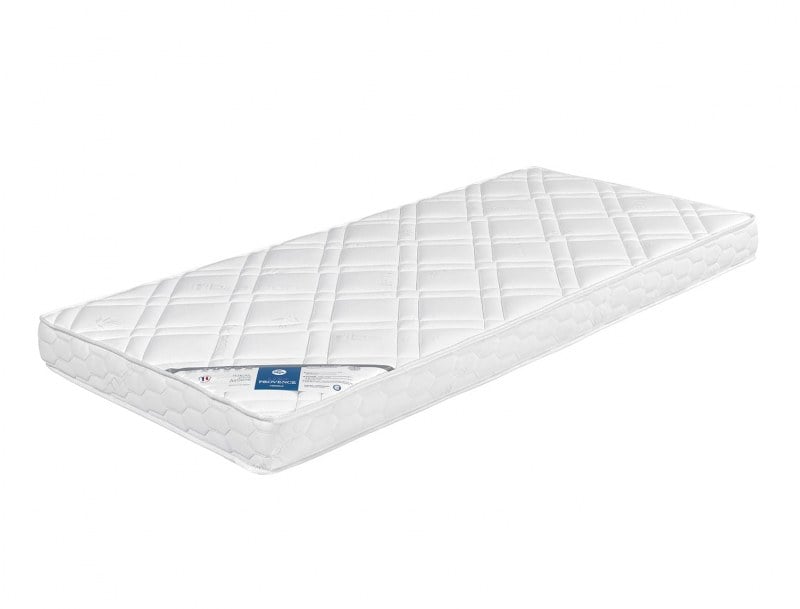
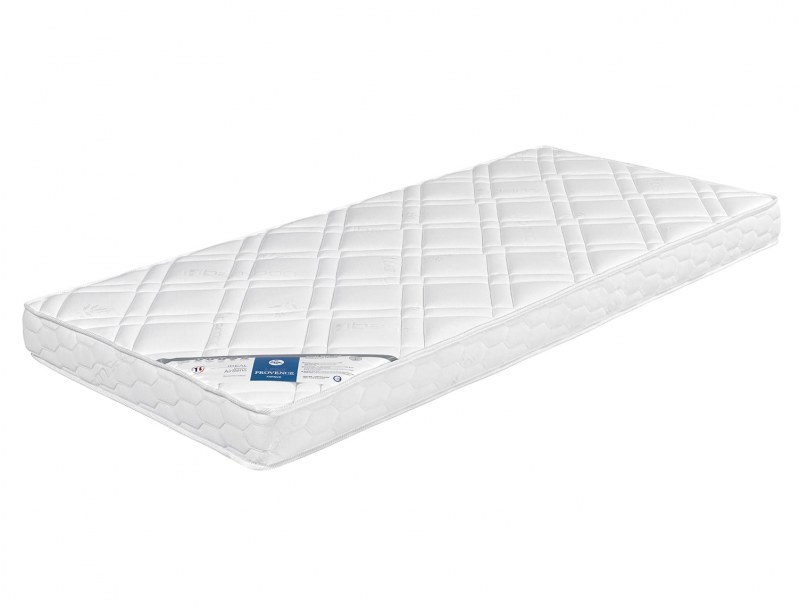
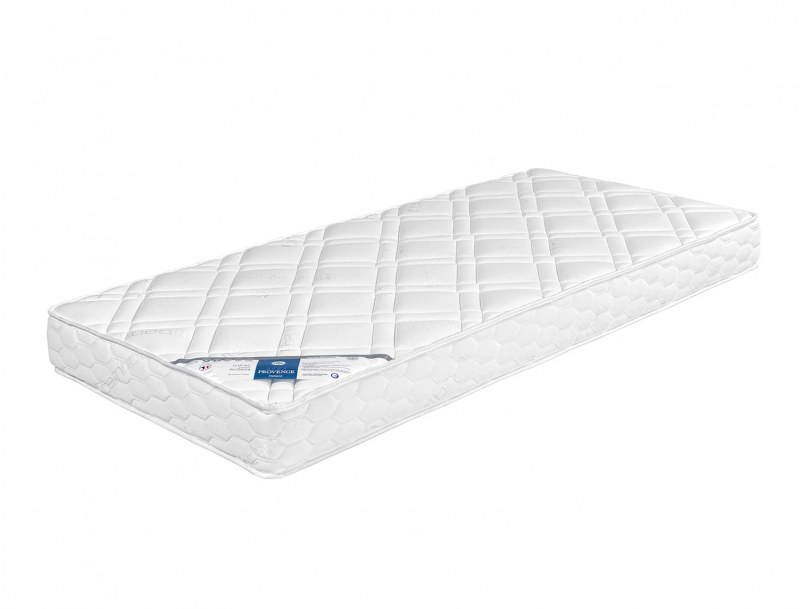
Appropriate bedding is essential to limit risks. Chambrekids mattresses, designed with anti-dust mite materials, are an effective and durable solution. Their design combines comfort and protection.
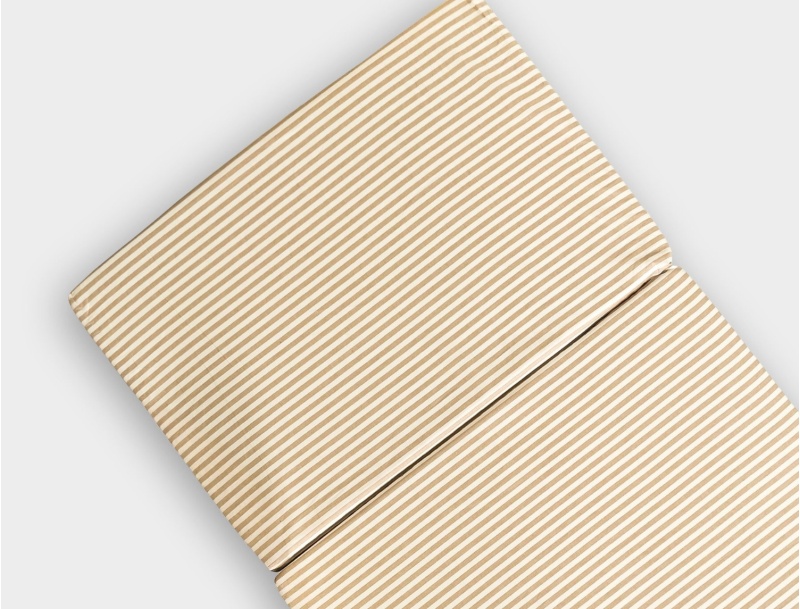
A bamboo viscose stretch ticking, naturally anti-dust mite and antibacterial thanks to its moisture-wicking properties.
Fillings made of hypoallergenic wadding or natural fibers (hemp, latex) without chemical treatments, for healthy sleep.
OEKO-TEX® and Certipur certifications to guarantee the absence of harmful substances and a responsible manufacturing cycle. These labels ensure a product that is safe for skin and the environment.
For optimal protection of your little one's bedding, combine your child's mattress with a baby mattress protector or an anti-dust mite mattress cover. This duo forms a barrier against allergens, ideal for sensitive children.
Parents can alsochoose their child's mattress well by opting for certified anti-dust mite models. Their breathable structure limits humidity, a key factor in infestation.
By investing in appropriate children's bedding, you offer your child restorative sleep, far from the risks associated with dust mites. Combined with proper maintenance practices, it's a practical solution for impeccable hygiene
In brief: the essential points for peaceful nights
Dust mites, although microscopic, can disrupt the sleep of the whole family. Recognize the signs: nighttime cough, stuffy nose, itching or fatigue upon waking. Their presence is often linked to humidity and dead skin accumulated in bedding.
Adopt the 3 pillars of protection: air out the bedroom daily, wash bed linen at 60°C and wrap mattresses and pillows in anti-dust mite covers. These simple actions reduce their proliferation.
You now have all the keys to declare war on dust mites and offer your family gentler nights. The first step? Choose appropriate bedding.
Dust mites don't bite. Their effects on the skin or respiratory tract come from their droppings and molts, which trigger allergic reactions. You'll notice rather diffuse irritation, redness or eczema without precise location, unlike bed bug bites. The latter leave marks in a line or cluster, often very itchy. If localized bumps appear, look rather toward a bed bug infestation and check the mattress seams with a magnifying glass.
Dust mites fear essential oils such as lemon eucalyptus, geranium or lavender, whose strong scents disrupt their environment. However, these natural methods have a limited effect. The key is to control humidity (ideally between 40 and 60%) and temperature (around 19°C) in the bedroom. Indeed, these arachnids thrive in heat and humidity, fueled by nighttime perspiration. Daily airing and using a dehumidifier therefore remains more effective than fragrances.
Despite their microscopic size (0.1 to 0.5 mm), you can use a powerful magnifying glass on a dust sample stuck to adhesive tape. However, this method is unreliable. Detection kits, such as Acar Up or Acaritest, analyze allergens present in dust and provide a reliable result in just a few minutes. If in doubt, opt for these tests rather than direct observation, as even when seeing them, visual identification remains complex without specialized tools.
To eliminate them, wash bed linens at a minimum of 60°C, as heat kills dust mites and breaks down their droppings. Air out the bedroom for 15 minutes a day to reduce humidity, a key factor in their survival. A vacuum cleaner equipped with a HEPA filter helps capture allergens in the mattress and carpets. Finally, products such as anti-dust mite covers or acaricide sprays strengthen the fight, especially on stuffed animals and textiles that are difficult to treat. These actions must be regular for lasting effectiveness.
Bumps related to dust mites are not caused by bites, but by an allergic reaction to their droppings. They manifest as widespread redness, itchy skin without specific location, or eruptive eczema. Unlike bed bug marks, these rashes do not form distinct lines or clusters. If itching is accompanied by respiratory symptoms (cough, stuffy nose), this points to a dust mite allergy rather than a blood-feeding parasite infestation.
To treat a mattress, start by vacuuming with a HEPA filter to capture allergens. Then, sprinkle baking soda over the entire surface, let it sit for 15 minutes, then vacuum again: this eliminates dust and residue. Hot steam cleaning (minimum 60°C) is also effective, as the heat destroys dust mites. Finally, protect the mattress with a dust mite cover, which acts as a physical barrier. Repeat these steps every 3 months for optimal prevention.
Making your bed doesn't directly attract dust mites, but a closed bed retains moisture and heat, ideal for their proliferation. Indeed, by leaving the bed unmade, air circulates better, which dries out the mattress and limits their development. That's why, after waking up, it's advisable to keep it open for 1 to 2 hours before making it. However, regular maintenance (vacuuming the mattress, washing sheets at high temperature) remains essential to control their population.
 En
En
 Français
 Deutsch
 Nederlands
 Italiano
 Español













 What Age for Bunk Bed: Standards and Safety
 When to put baby in their room: age and transition
 Best Choice for Baby: Bed Attached to Parents or Next to Them?
 The convertible bed: furniture that grows with your child
 The bunk bed with storage and desk: discover its advantages!